18 Natural Aromatase Inhibitors
The number one topic in breast cancer communities, and the thing I get asked about most often, is definitely about natural aromatase inhibitors. People are suffering from the effects of hormone inhibiting drugs – the list of side effects these drugs are capable of producing is seemingly endless. As a breast cancer coach, I hear all about them and have a great deal of sympathy for those taking these drugs.
It’s a subject near and dear to our hearts and we can spend plenty of time trying to dig up research on new natural alternatives – I know I do because I chose not to take Tamoxifen, much to my oncologist’s annoyance. I just wasn’t willing to risk the side effects, such as cardiotoxicity and blood clots, etc.
Update: I recently wrote an article sharing why I chose not to take Tamoxifen, in case you’re interested: Why I Chose Against Hormone Blocking Drugs
It worries me that the side effects of these drugs can be so debilitating and disruptive to quality of life. More than that, I know quite a few who were on AIs for the requisite period of time (usually 5 years) and suffered recurrences anyway. That indicates to me these drugs aren’t working as well as they are meant to.
A Good Article
While doing some research recently, I came across a lengthy article, on the NIH website, “Natural Products as Aromatase Inhibitors” [1]. Be warned, that article will do your head in, unless you are a doctor, researcher or medical professional!
I will attempt to boil it all down into layman’s language for you – you can read for yourself all of the reasons why AIs are prescribed, how they work in breast cancer, and how scientists are actively researching many natural products to discover which ones can be utilized to help breast cancer patients. I know what you are really after — the list of natural things that exhibit AI activity.
18 Natural Aromatase Inhibitors
- Dioon Spinulosum – or gum palm, a cycad which grows in Veracruz and Oaxaca, Mexico
- Encephalartos ferox – also a cycad which grows mainly in Africa
- Riedelia – a genus of plants in the Zingiberaceae family, comprises approximately 75 species that are distributed among New Guinea and the Maluku and Solomon Islands
- Viscum album – a species of mistletoe, also known as European Mistletoe or Common Mistletoe to distinguish it from other related species. It is native to Europe and western and southern Asia
- Cycas rumphii – also a cycad, commonly known as queen sago or the queen sago palm, it grows in the Moluccan island group (New Guinea, Java, Indonesia)
- Cycas revoluta – also a cycad, native to southern Japan
- Alpinia purpurata – also known as Red Ginger, a native to Malaysia
- Coccothrinax Sarg – Coccothrinax is a genus of palms in the Arecaceae family, there are more than 50 species described in the genus, plus many synonyms and sub-species, and they grow in a variety of places
- Five red wine varieties, the most active being Cabernet Sauvignon from Tanglewood (France), the other mentioned was Pinot noir from Hacienda (Sonoma, CA)
- Brassaiopsis glomerulata – a deciduous tree found in North Vietnam
- Garcinia mangostana L. (Clusiaceae) – also known as mangosteen, has a long history of use as a medical plant, found mostly in Southeast Asia
- Euonymus alatus – also known as winged spindle, winged euonymus or burning bush, it’s a species of flowering plant in the family Celastraceae, native to central and northern China, Japan, and Korea
- Isodon excisus Kudo var. coreanus – a small herbaceous plant that grows in Western Asia (Japan, China, Korea)
- Scutellaria barbata – a plant used in traditional Chinese medicine, other names include ban zhi lian’, scullcap or skullcap, it grows in Korea and southern China
- Camellia sinensis – also known as green tea (easily obtainable every morning for breakfast!)
- Vitis L. sp – also known as grape seed extract, the report cited a study where a water extract of grape seed extract was utilized and it had AI activity
- Agaricus bisporus – also known as white button mushrooms
- Trifolium pratense L. – also known as red clover flowers. There is a lot of misinformation out there about red clover, please read my article Red Clover Controversy – Safe For Breast Cancer Or Not?
Update: See two more discussed below – selenium and pomegranate.
The article also mentioned that coffee, cocoa, collards, stout beer, tomato leaves and even cigarette smoke (!) strongly inhibited aromatase using a microsomal assay. I don’t know about you but I’m not eating tomato leaves or breathing in cigarette smoke intentionally!
Many of the above listed things are not currently being produced as natural supplements. I would suggest you print out this list and take it to your naturopath to see which ones would be available and safe for you to use. Some of the listed items will be easily available (like #9, #15, #16, #17 #18) and you could easily incorporate them into your diet.
Something not listed is selenium, we do have research indicating that it acts as a natural aromatase inhibitor, see my article Why Iodine and Selenium Are Useful For Breast Cancer.
2017 Update – I found an older study from 2010 [2] indicating that the ellagitannins (phytochemicals) in pomegranates also had anti-aromatase activity. So make that 20 natural aromatase inhibitors (including selenium, above).
The above list is not exhaustive – the report did also discuss 125 flavonoids, 36 terpenoids, 19 peptides, 18 lignans, 16 xanthones, 15 fatty acids, 10 alkaloids, and 43 miscellaneous compounds having been evaluated but there was not sufficient information for me to feel it was worth listing them all.
Unfortunately, there is no information on dosages for any of the above nutrients, more information is clearly needed.
Just Remember Estrogen Is Not The Only Factor Involved In Breast Cancer
The important thing I would like you to take away from all of this is that we can drive ourselves crazy looking for the tiniest things that will give us an edge over this disease. I hope you don’t get bogged down in this. Please remember, estrogen is not the only factor involved in breast cancer. An overall anti-cancer strategy is to eat a healthy diet full of fresh organic fruits and vegetables and super foods, take the supplements that have research backing them (see my page discussing that topic), limit your exposure to toxic skin care products, get plenty of exercise DAILY and keep your stress levels down through the use of meditation or prayer.
You may want to read some of my other articles about aromatase inhibitors:
References:
[1] Natural Products as Aromatase Inhibitors — https://www.ncbi.nlm.nih.gov/pmc/articles/PMC3074486/
[2] Pomegranate ellagitannin-derived compounds exhibit antiproliferative and antiaromatase activity in breast cancer cells in vitro – https://www.ncbi.nlm.nih.gov/pubmed/20051378
GET MY BEST TIPS on healthy ways to beat breast cancer and prevent recurrences by signing up for my free e-newsletters and e-books on the right. You can also “like” me on Facebook (Marnie Clark, Breast Health Coach) to get my inspirational snippets, news and updates. I promise to do my utmost to keep you informed and empowered on your healing journey… and beyond.

Castor Oil Speeds Up Healing & Improves Your Immunity
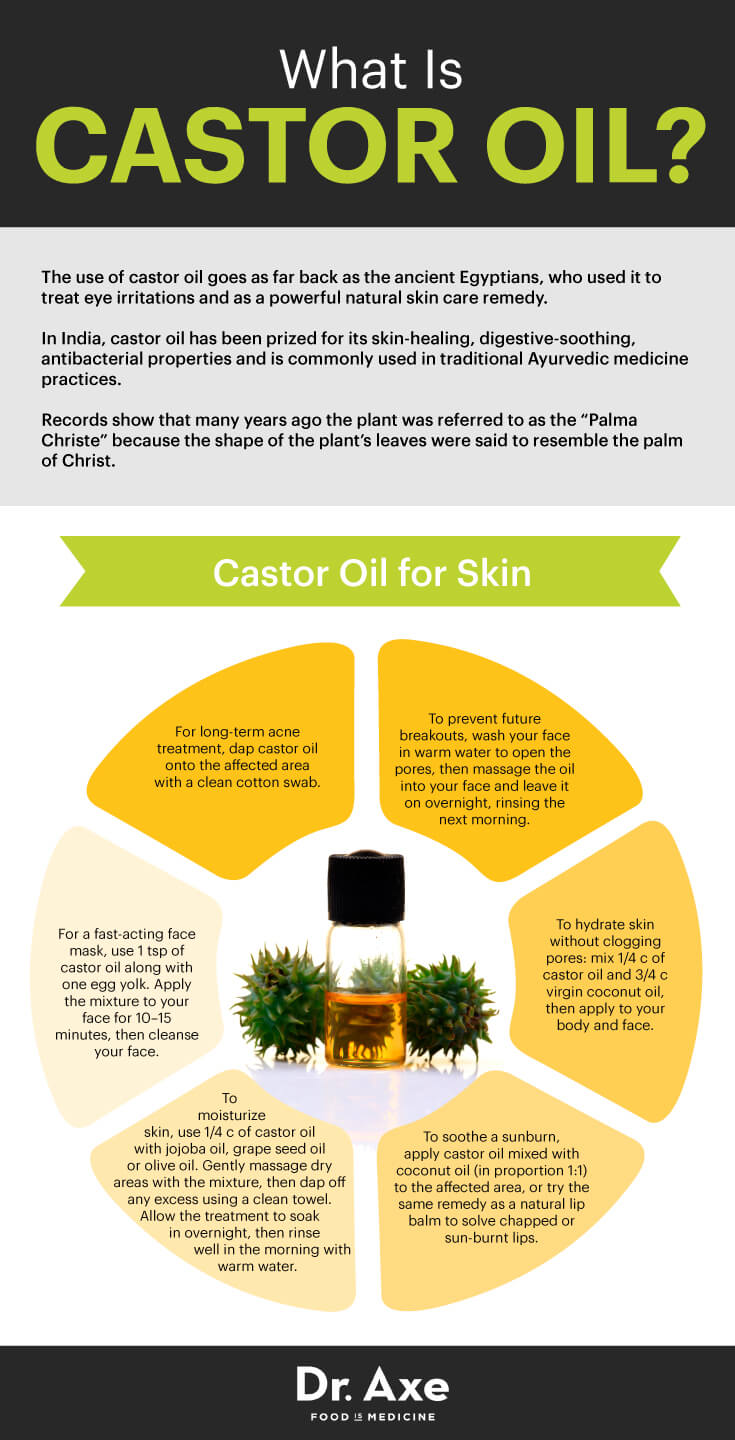
Folk healers worldwide have used castor oil to treat a wide variety of health conditions for thousands of years. The use of castor oil goes as far back as the ancient Egyptians, who used it to treat eye irritations and as a powerful natural skin care remedy. In India, castor oil has been prized for its skin-healing, digestive-soothing, antibacterial properties and is commonly used in traditional Ayurvedic medicine practices.
Not sure about castor oil benefits? Find Out Here.
For centuries, at the first sign of illness, many mothers and grandparents would immediately turn to giving their children castor oil either topically or internally to naturally boost immune function and speed up healing. Derived from the seeds of the castor bean plant (Ricinus communis), records show that many years ago the plant was referred to as the “Palma Christe” because the shape of the plant’s leaves were said to resemble the palm of Christ.
What Is Castor Oil?
Throughout history, castor oil’s most popular use has been for treating skin infections, lowering constipation and boosting the appearance of hair health, but research has shown that castor oil has even more important applications for supporting the immune system. Castor oil is capable of increasing white blood cells and the count of T-11 cells (a type of special white blood cells that act like antibodies) produced within the body’s lymphocytes that help kill viruses, fungi, bacteria and cancer cells.
Many of castor oil’s benefits come down to its chemical composition. It’s classified as a type of triglyceride fatty acid, and almost 90 percent of its fatty acid content is a specific and rare compound called ricinoleic acid. Castor oil is considered to be pretty unique because ricinoleic acid is not found in many other substances, and it’s such a dense, concentrated source. It is produced by cold-pressing the seeds and subsequent clarification of the oil by heat.
Aside from its primary constituent, ricinoleic acid, castor oil also contains certain beneficial salts and esters that function primarily as skin-conditioning agents. At the same time, they help stabilize the texture and consistency of products, which is why castor oil is used in so many cosmetics, hair and skin-care treatments.
According to the International Journal of Toxicology, castor oil and hydrogenated castor oil reportedly were used in 769 and 202 cosmetic products, respectively, during the time of an analysis in 2002! Ricinus communis (castor) seed oil is the name given to the type of castor oil used in cosmetics, which you might find listed on the ingredient label, especially in lipsticks.
Castor Oil Benefits
As an unsaturated fatty acid, ricinoleic acid found in castor oil has many healing abilities, including:
- supporting the lymphatic system
- increasing circulation
- preventing the growth of viruses, bacteria, yeasts and molds
- fighting skin disorders and infections
- helping to kill ringworm, keratoses, skin inflammation, abrasions and fungal infections
- healing acne
- helping hair grow
- reducing itching and swelling on the skin
- fighting toenail fungus
- easing constipation
- hydrating chapped lips
- reducing painful sunburns
- helping with pregnancy and inducing labor
- and many more
One of the major reasons castor oil has strong immune-enhancing effects is because it supports the body’s lymphatic system. The most significant role of the lymphatic system, which is spread throughout the whole body in small tubular structures, is that it absorbs and removes excess fluids, proteins and waste materials from our cells.
Lymph nodes located within these tubes act like the body’s natural filters for toxins, and they also pump out antibodies when we’re sick to keep foreign proteins or bacteria at bay. If you’ve ever had an enlarged lymph node in your neck or near your genitals, for example, this is a sign that a high level of antibodies are being released in order to fight an infection near that area.
When the lymphatic system isn’t working properly, this can eventually lead to the failure of many healthy cells and possibly degeneration and destruction of organs. For example, poor lymphatic drainage of the heart is linked to tissue damage, which can add to or worsen coronary heart diseaseconditions.
Aside from capturing leaking fluid from our tissues that contain waste, increasing function of the circulation system and helping create defensive antibodies for the immune system, the lymphatic system also helps absorb lingering fat molecules within the small intestine. In fact, a large percentage of all the fat absorbed from the gut requires the help of the lymphatic system. Some fat molecules remain unabsorbed because they’re essentially too large to move from the small to large intestine. This means they can be released into the lymphatic system and then into the bloodstream, where they can be carried throughout the body to be used for fuel.
10 Castor Oil Uses
1. Improves Immune Function
Castor oil is believed to improve lymphatic drainage, blood flow, thymus gland health and other immune system functions. Research has shown that patients who use abdominal castor oil packs have significant increases in the production of lymphocytes compared with patients using placebo packs. Lymphocytes are the immune system’s natural “disease-fighters” that attack outside invaders such as toxins, bacteria and other perceived threats.
Castor oil helps with the production of proper levels of lymphocytes, which are released and stored within the lymphatic tissue from the thymus gland, spleen, lymph nodes and tissue that lines the small intestine. The lymphatic system also impacts the circulatory and digestive systems, which is why castor oil has benefits for helping you detox, supporting heart health and healing digestive issues like constipation, too.
Castor oil is hydrolyzed in the small intestine by pancreatic enzymes, leading to the release of glycerol and ricinoleic acid, along with other beneficial metabolites.
2. Boosts Circulation
Proper blood flow and immunity go hand in hand. When the lymphatic system fails (or edema develops, which is the retention of fluid and toxins), it’s much more likely someone will become chronically ill.
The circulatory system is responsible for pumping blood to and from the heart, where it moves oxygen throughout the body through small arteries and tiny vessels called capillaries. Within microscopic tubular structures held in the lungs, blood exchanges oxygen and nutrients for cellular waste. This process is crucial for keeping us alive, bringing oxygen to our cells and detoxing our bodies.
3. Fights Skin Infections and Wounds
As you probably already know, beauty is more than skin deep; the health of your skin is often a reflection of the health of your gut, immune system and hormonal balance. The real price of beauty is steep, and loading your skin with chemical ingredients found in store-bought skin care products usually only makes irritation worse. Castor oil is completely natural and synthetic-free, yet it can be directly absorbed through the skin, resulting in several positive outcomes for skin’s appearance.
First and foremost, circulation and blood flow increase, which helps the body better fight infections and heal wounds. Castor oil also works like a natural antibacterial, antifungal and antimicrobrial agent that targets underlying causes of skin disorders. Lymph flow also improves with castor oil use, which can help speed up the removal of cellular-related toxins and therefore lowers levels of swelling, redness and inflammation at the root of most diseases.
4. Helps Balance Hormones and Improve Libido
Enhancing the absorption of fat molecules within the digestive tract is essential for the formation of healthy hormones. That’s what makes castor oil consumption a way to balance hormones naturally. Also with less floating toxins present within and around cells, coupled with better blood flow, sex organ function works more efficiently and people experience less PMS symptoms, fatigue, mood swings and depression.
5. Induces Labor
Castor oil is a time-honored natural remedy for inducing labor. For centuries, pregnant women at full term have been given castor oil orally to help speed up uterus contractions. The reason castor oil works for inducing labor is because ricinoleic acid in the oil activates EP3 prostanoid receptors in the uterus. One downside of using castor oil to help with delivery, and the reason it’s not commonly used in hospitals, is that some woman feel nauseous due to its effects.
6. Heals Dry, Irritated, Sun-Burnt or Acne-Prone Skin
As a natural antibacterial agent, castor oil works similarly to coconut oil for healing skin. It also makes a great skin moisturizer, anti-inflammatory blemish treatment, and can delay the signs of aging like wrinkles since it helps increase collagen and elastin production.
If you want to heal acne forever, you need to get to the source of the problem. The ricinoleic acid found in castor oil makes it a great natural home remedy for fighting mild acne. As it penetrates deep into the skin, it fights bacteria overgrowth that can clog pores, while softening and hydrating irritated skin at the same time. It also works to solve deeper issues causing breakouts, like hormonal imbalances and an unhealthy balance of bacteria within the gut.
Here are several ways to improve skin health using castor oil:
- For a natural acne treatment that’s beneficial long term, dap castor oil onto the affected area with a clean cotton swab. You can also try to use apple cider vinegar and essential oils like frankincense mixed with a small amount of pure coconut oil. All of these options reduce redness and swelling of acne blemishes along with scarring and pain.
- To prevent future breakouts, wash your face first in warm water to open up the pores and then massage some of the oil into your face and leave it on overnight, rinsing the next morning.
- To hydrate skin without clogging pores: mix 1/4 cup of castor oil and 3/4 cup virgin coconut oil (or 3/4 cup sesame oil), then apply to your body and face.
- To moisturize skin that’s normal or oily, try using 1/4 cup of castor oil with jojoba oil, grape seed oil or olive oil instead of coconut and sesame. Gently massage dry areas of your skin with the mixture, then dap off any excess using a clean towel. Allow the treatment to soak in overnight and then rinse well in the morning with warm water.
- Another option is creating a fast-acting face mask using one teaspoon of castor oil along with one egg yolk. Apply the mixture to your face for 10–15 minutes, then clean your face.
- To soothe a sunburn, castors oil’s anti-inflammatory properties reduce pain and redness. Apply castor oil mixed with coconut oil (in proportion 1:1) to the affected area, or try the same remedy as a natural lip balm to solve chapped or sun-burnt lips.
- Something else to consider is that castor oil and ricinoleic acid can enhance the transdermal penetration of other chemicals, so it’s a good idea to only use castor oil along with other natural ingredients that you don’t mind fully absorbing into your skin.
7. Reduces Toenail or Fingernail Fungus, Moles and Cysts
Castor works well as a toenail fungus treatment. For the same reason it helps fight acne, castor oil can get rid of persistent fungal infections, moles and cysts. Traditionally, the method used was to apply a small amount of castor oil with a pinch of baking soda to the infected area.
When ingested, castor oil also works internally to balance gut bacteria and reduce lingering toxins, yeast or molds that can cause fungus to develop in the first place.
8. Relieves Constipation
Castor oil works like a natural mild laxative when taken orally and helps with straining during defecation and feeling of complete evacuation after a bowel movement. Its active ingredient ricinoleic acid gets released in the intestine, where it helps with the process of digestion, nutrient absorption and cleansing the system — helping you poop regularly.
With better circulation and lymphatic drainage, the small intestine become more efficient at fat absorption and removing bad bacteria or toxins, which makes castor oil perfect for natural constipation relief. The gut environment can become more balanced in terms of having more “good bacteria” and less “bad” that interfere with proper bowel movements.
A healthier gut can lower constipation, cramping, bloating (edema), leaky gut syndrome and possibly other symptoms of IBS.
9. Lowers Symptoms of Arthritis
Castor oil is often used a natural treatment for arthritis pain, joint swelling and inflammation. It has natural anti-inflammatory properties that make it an ideal massage oil that can be applied to aching joints, muscles or tissue.
Try massaging painful areas with castor oil followed by a hot water pack to increase absorption and drainage. Practicing this process twice weekly can give you the most pain-reducing results.
10. Helps Strong, Shiny Hair Grow Faster
Just like coconut oil benefits your hair, using castor oil can help your hair grow faster, thicker, stronger, shinier and free of dandruff. Besides the fact that castor oil has omega-6 fatty acids to make hair shine, it goes to the root of the problem and improves circulation. Massage slightly warmed-up castor oil into your hair and scalp, and it will improve the blood circulation to your follicles, which speeds up hair growth. You can try making a homemade hair mask by massaging the oil into your roots and spreading it all over your hair, tying up your hair and covering it with a cap, then leaving the oil on overnight before washing it out.
Keep in mind that castor oil also has antifungal and antibacterial properties that can help clear up dandruff and scalp infections. Mix one tablespoon of castor oil with one tablespoon of olive oil and add juice of half a lemon, apply the mask on the roots of your hair for about 30 minutes, and then rinse out with shampoo.
What’s the Best Kind of Castor Oil to Use?
Castor oil can be used in several ways: topical application on the skin, oil packs or massage. As with essential oil uses or other skin treatments, any oil you ingest or consume (and even the kinds you apply directly to your skin) should really be of the highest quality to ensure safety and effectiveness.
Look for a reputable brand of cold-pressed, pure castor oil at your local health food store or online if you can’t find any in stores. Some people believe that the most effective use of castor oil is castor oil packs or poultices. These might be able to help increase topical absorption through the skin’s pores.
How much castor oil to take:
Dosage of castor oil taken internally depends on what you’re using it for, along with your age, existing medical conditions and response to laxative-type treatments. Read the package directions carefully when purchasing a castor oil pack. Be careful not to increase your dose above the recommended amount, start slowly and don’t take it for more than seven days consecutively unless you’re told to do so by your doctor.
Normally, the dosage set for adults is one teaspoon once a day on an empty stomach. This amount is useful for regulating bowel movements and improving blood flow, and lesser doses might help to maintain general health. However, before taking it regularly and for extended periods of time, check with your doctor about any interactions. For children, the common dosage is half of one teaspoon once per day.
Castor oil is usually sold as a laxative formula and is available in both liquid and capsule forms. Liquid castor oil is known for having a foul taste, yellow color and smell, so most people prefer to dilute it in juice before taking it by mouth.
Are There Any Concerns with Using Castor Oil?
Castor oil is classified by the Food and Drug Administration as generally recognized as safe for both topical and internal use, and is recognized as effective for use as a stimulant laxative. The Joint Food and Agriculture Organization/World Health Organization Expert Committee on Food Additives established an acceptable daily castor oil intake for adults of up to 0.7 milligrams/kilograms body weight. Its active ingredients are considered acute (short-lasting) and nontoxic. Some studies have even found that castor oil at concentrations up to 10 percent of total calorie intake in the diet of rats was not toxic.
That being said, taking too much is definitely a risk and can cause digestive issues like diarrhea or cramping, along other problems. Some people experience nausea and signs of mild irritation in their gut lining when taking castor oil, although this isn’t common and is usually the case with pregnant woman. Pregnant women in general shouldn’t take castor oil without speaking with their doctors first since it can induce labor.
When it comes to using it topically on your skin, the risks are very low considering it’s free from common allergens, synthetic chemicals, drying ingredients or other irritants. Castor oil doesn’t commonly result in allergies, skin sensitivities or act like a photosensitizer, according to human clinical tests. However, it’s still best to start slowly and perform a skin patch test on a small area of your skin before applying larger amounts, and also keep it away from your eyes and inside your nose, babies and pets.
Source: Dr Axe


Stop Breast Cancer Spreading to the Bone
Manchester scientist to investigate how to stop breast cancer spreading to the bone
A leading Manchester scientist has been awarded a grant of over £195,000 by research charity Breast Cancer Now to investigate whether certain drugs could stop breast cancer spreading to the bone.
Friday 13 October 2017 Research Rob Clarke and Rachel Eyre

Dr Robert Clarke and Dr Rachel Eyre
The news comes on Secondary Breast Cancer Awareness Day (Friday 13 October 2017), as Breast Cancer Now announces more than £700,000 of funding across the UK for research specifically targeting secondary breast cancer – where the disease has spread to another part of the body.
If breast cancer spreads – known as secondary or metastatic breast cancer – it becomes incurable, and almost all of the 11,500 women that die as a result of breast cancer each year in the UK will have seen their cancer spread. More than 2,000 women in Greater Manchester are diagnosed with breast cancer every year, and over 400 women in the region die from the disease each year.1
The bone is one of the most common and least treatable places for breast cancer to spread to. Secondary tumours in the bone can cause joint pain as well as debilitating fractures that often require surgery at a time that is already difficult for patients.
Special types of cells, called breast cancer stem cells (BCSCs), are thought to be responsible for breast cancer coming back after treatment. These cells are able to travel to distant locations – such as the bone – where they can remain inactive, not being affected by therapy, for long periods of time.
Dr Robert Clarke and Dr Rachel Eyre's work
Dr Robert Clarke, based at the Breast Cancer Now Research Unit at the University of Manchester, has been investigating why BCSCs so often spread to the bone, and how the bone environment allows them to survive and grow to form secondary tumours. His previous studies revealed that a molecule inside bones called interleukin 1-beta (IL-1β) triggers a survival mechanism within BCSCs.
Dr Clarke and researcher Dr Rachel Eyre will investigate how IL-1β helps BCSCs migrate to the bone and survive once there. Using BCSCs grown in the lab and in mice, the team of scientists will explore whether drugs that block IL-1β – and the survival mechanism it triggers – could be used to stop secondary tumours forming in the bone.
Next, the team will cultivate BCSCs in bone samples donated by hip replacement patients from the Manchester Royal Infirmary, to replicate what happens when breast cancer spreads to the bones. They will investigate how BCSCs are able to colonise the bone environment, and whether blocking IL-1β could affect their ability to do so.
Kathleen Moss, 61, from Oldham, initially underwent treatment for primary breast cancer in 2011, but last year, she sadly learned that her cancer had spread, when a painful hip alerted her to metastases in her bones and liver.

Kathleen is currently taking Herceptin and Perjeta, which she will continue to take until her breast cancer progresses. She said:
“Hearing the diagnosis of ‘secondary’ was a real game-changer for me. When my aggressive breast cancer came back after four years, I went from happily "cancer free" to living with cancer on a daily basis: morphine tablets to contain bone pain twice a day, chemotherapy every three weeks, and three-monthly CT and MRI scans.
“Side effects make my feet and fingers permanently numb, my nose bleeds, my hair thins and my fingernails break and fatigue is crippling. Almost as hard to bear is the effect on my outgoing and happy husband, who has battled with depression since my diagnosis. Our plans for the future have telescoped into three month segments, always mindful that my secondary breast cancer is incurable, only contained with treatment.
“The first place my cancer spread was to my bones. It was scary going from a lively 58 year old to someone who had trouble walking. Knowing that Dr Clarke and his team are working on a way to stop this spread in other breast cancer patients gives me hope. Although his research won't help me, I hope it can help thousands of others. I wouldn't wish this pain and uncertainty on other families.”
Dr Robert Clarke, Reader in Breast Biology at the University of Manchester, said:
“Rachel and I are very excited to be starting this Breast Cancer Now-funded project. We believe that we have discovered a key factor promoting spread to the bone marrow, which is very common in breast cancer. This funding from Breast Cancer Now will enable us to discover whether we can use drugs to target and prevent breast cancer spread in experimental systems, which is an important step to gather sufficient supporting evidence for clinical trials to take place.”
Dr Richard Berks, Senior Research Communications Officer at Breast Cancer Now, said:
“Drugs that block IL-1β are already used to treat rheumatoid arthritis, and so if this approach is shown to be effective in breast cancer, it could allow patients with secondary breast cancer in the bone to access these drugs much more quickly.
“Our ambition is that by 2050, everyone who develops breast cancer will live. But if we are to achieve this, we desperately need to raise funds for research to find ways to stop the disease spreading.
“This project could help bring us one step closer to our 2050 vision, and we’d like to thank our supporters in Manchester who continue to help make potentially life-saving research like this possible.”
1. Source of information: Local incidence and mortality survival statistics were provided on request by Public Health England, April 2017 – similar data are available from cancerdata.nhs.uk Figures are based upon averages for 2012-2014.
2. Article Source: Breastcancernow.org
A leading Manchester scientist has been awarded a grant of over £195,000 by research charity Breast Cancer Now to investigate whether certain drugs could stop breast cancer spreading to the bone.
Friday 13 October 2017 Research Rob Clarke and Rachel Eyre
Dr Robert Clarke and Dr Rachel Eyre
The news comes on Secondary Breast Cancer Awareness Day (Friday 13 October 2017), as Breast Cancer Now announces more than £700,000 of funding across the UK for research specifically targeting secondary breast cancer – where the disease has spread to another part of the body.
If breast cancer spreads – known as secondary or metastatic breast cancer – it becomes incurable, and almost all of the 11,500 women that die as a result of breast cancer each year in the UK will have seen their cancer spread. More than 2,000 women in Greater Manchester are diagnosed with breast cancer every year, and over 400 women in the region die from the disease each year.1
The bone is one of the most common and least treatable places for breast cancer to spread to. Secondary tumours in the bone can cause joint pain as well as debilitating fractures that often require surgery at a time that is already difficult for patients.
Special types of cells, called breast cancer stem cells (BCSCs), are thought to be responsible for breast cancer coming back after treatment. These cells are able to travel to distant locations – such as the bone – where they can remain inactive, not being affected by therapy, for long periods of time.
Dr Robert Clarke and Dr Rachel Eyre's work
Dr Robert Clarke, based at the Breast Cancer Now Research Unit at the University of Manchester, has been investigating why BCSCs so often spread to the bone, and how the bone environment allows them to survive and grow to form secondary tumours. His previous studies revealed that a molecule inside bones called interleukin 1-beta (IL-1β) triggers a survival mechanism within BCSCs.
Dr Clarke and researcher Dr Rachel Eyre will investigate how IL-1β helps BCSCs migrate to the bone and survive once there. Using BCSCs grown in the lab and in mice, the team of scientists will explore whether drugs that block IL-1β – and the survival mechanism it triggers – could be used to stop secondary tumours forming in the bone.
Next, the team will cultivate BCSCs in bone samples donated by hip replacement patients from the Manchester Royal Infirmary, to replicate what happens when breast cancer spreads to the bones. They will investigate how BCSCs are able to colonise the bone environment, and whether blocking IL-1β could affect their ability to do so.
Kathleen Moss, 61, from Oldham, initially underwent treatment for primary breast cancer in 2011, but last year, she sadly learned that her cancer had spread, when a painful hip alerted her to metastases in her bones and liver.
Kathleen is currently taking Herceptin and Perjeta, which she will continue to take until her breast cancer progresses. She said:
“Hearing the diagnosis of ‘secondary’ was a real game-changer for me. When my aggressive breast cancer came back after four years, I went from happily "cancer free" to living with cancer on a daily basis: morphine tablets to contain bone pain twice a day, chemotherapy every three weeks, and three-monthly CT and MRI scans.
“Side effects make my feet and fingers permanently numb, my nose bleeds, my hair thins and my fingernails break and fatigue is crippling. Almost as hard to bear is the effect on my outgoing and happy husband, who has battled with depression since my diagnosis. Our plans for the future have telescoped into three month segments, always mindful that my secondary breast cancer is incurable, only contained with treatment.
“The first place my cancer spread was to my bones. It was scary going from a lively 58 year old to someone who had trouble walking. Knowing that Dr Clarke and his team are working on a way to stop this spread in other breast cancer patients gives me hope. Although his research won't help me, I hope it can help thousands of others. I wouldn't wish this pain and uncertainty on other families.”
Dr Robert Clarke, Reader in Breast Biology at the University of Manchester, said:
“Rachel and I are very excited to be starting this Breast Cancer Now-funded project. We believe that we have discovered a key factor promoting spread to the bone marrow, which is very common in breast cancer. This funding from Breast Cancer Now will enable us to discover whether we can use drugs to target and prevent breast cancer spread in experimental systems, which is an important step to gather sufficient supporting evidence for clinical trials to take place.”
Dr Richard Berks, Senior Research Communications Officer at Breast Cancer Now, said:
“Drugs that block IL-1β are already used to treat rheumatoid arthritis, and so if this approach is shown to be effective in breast cancer, it could allow patients with secondary breast cancer in the bone to access these drugs much more quickly.
“Our ambition is that by 2050, everyone who develops breast cancer will live. But if we are to achieve this, we desperately need to raise funds for research to find ways to stop the disease spreading.
“This project could help bring us one step closer to our 2050 vision, and we’d like to thank our supporters in Manchester who continue to help make potentially life-saving research like this possible.”
1. Source of information: Local incidence and mortality survival statistics were provided on request by Public Health England, April 2017 – similar data are available from cancerdata.nhs.uk Figures are based upon averages for 2012-2014.
2. Article Source: Breastcancernow.org
Subscribe to:
Posts (Atom)