The Truth About Cancer
12 Ways to Use Essential Oils For Healing & Health
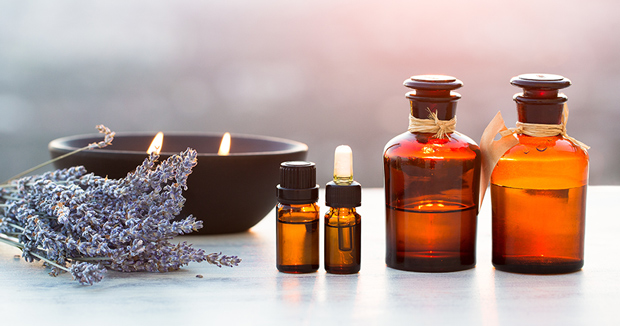
One of the things new users of essential oils ask most frequently is “What do I do with them? I just bought three new bottles and I have no idea how to use essential oils, other than take the caps off and sniff them.” If you fall into this category, this article will offer some great tips on how to use essential oils as part of your healing practice and general health improvement.
Phytochemicals: the Healing Compound in Essential Oils
It is interesting to learn that the very thing that gives an essential oil its characteristic smell is also what provides that oil with its healing ability. There can be hundreds of phytochemicals (plant based chemicals) within each drop of essential oil. Science is just beginning to learn exactly how each phytochemical works in the human body. Having said that, there is still much we do not know!
These phytochemicals have funny names like terpenes, aldehydes, esters, ketones, phenols, oxides, sesquiterpenes, and many more. Each one works differently in the body.
For instance, ketones (found in lavender essential oil, patchouli, hyssop) stimulate cell regeneration, liquefy mucous, and have calming properties.
Aldehydes (found in lemongrass essential oil, melissa, and citronella) tend to be highly anti-viral and anti-inflammatory.
Sesquiterpenes (found in cedarwood, sandalwood, and German chamomile, to name a few) are known for reversing inflammation. Sesquiterpenes are also one of the only substances that can cross the protective blood-brain barrier and increase oxygen to the brain. They can also reverse DNA damage and delete it from cellular memory. As a result, essential oils that contain sesquiterpenes could be quite beneficial for cancer patients.
Essential Oil Quality Varies
The phytochemical make-up of an oil can vary from plant to plant, even on the same farm. Growing conditions, harvesting methods, and even the time of day that the plant is harvested can have an effect on the phytochemical content of an oil. For instance, ylang ylang flowers are best collected between midnight and 9:00 am in the morning. That is when the essential oil content in the flowers is at its highest and best.
So why am I sharing all of this with you? Not only because it’s interesting, but also to underscore the need to ensure that your essential oils, particularly if you are using them for regaining your health, come from a reputable company.
Make sure the essential oils you purchase are organically grown. Be sure that the company knows how to properly distill each of the oils they sell, and that they do not use chemicals during the extraction process. A good essential oil company will also check each essential oil batch using gas chromatography to ensure that each batch has the proper phytochemical constituents. Don’t just rely on a label that says “pure.” These days, that just isn’t good enough.
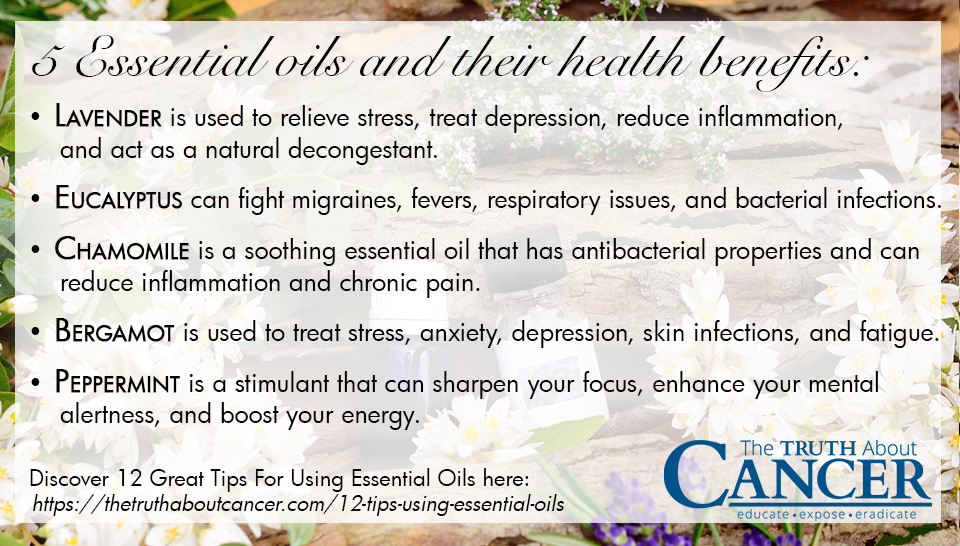
12 Great Ways to Use Essential Oils
#1. Bottle Inhalation Method – Begin by holding the essential oil bottle about the level of your heart. Waft the bottle a little, moving it ever closer to your nose. Deeply breathe in the aroma, gently at first. If you like it and it seems appropriate, breathe more deeply. When you breathe in an essential oil through the nose, the tiny oil molecules (the vapor) contain all of the same properties that the oil contains. They interact with the olfactory organ and the brain. Oil molecules inhaled through nose or mouth also move into the lungs and interact with the lungs and respiratory system.
#2. Hand Inhalation Method – Drip a few drops of essential oil onto your palms, rub them together to activate the oil, and cup them over the mouth and nose. As with the Bottle Inhalation Method, breathe gently at first and then if it seems appropriate, breathe the oil in deeply − as if you were dragging the oil up over your brain. Be sure to leave your eyes out of this as essential oils do not belong anywhere near the eyes. (Warning: If you do happen to accidentally get an essential oil into your eyes, dilute immediately with a carrier oil like sweet almond or olive, never water. It will burn like crazy but will ease in a few minutes.)
#3. Terracotta Pendant Method – Put a drop of oil on a terracotta pendant, fasten it around your neck, and enjoy the benefits of that oil as you move through your day.
#4. Bedtime Salt Bowl Method – Place a small amount (about 1/4 cup) of sea salt flakes or Epsom salt in a small bowl. Drip 10-15 drops of your chosen essential oil onto the salt. Keep it by your bed. The salt helps to slow down the evaporation rate of the oils, allowing you a longer diffusion throughout the night. A great way to get some anti-cancer potential into you while you sleep.
#5. Steam Bowl Inhalation – Drip your chosen essential oil into a bowl of steaming water (please use filtered so that no chlorine is also inhaled). Place a towel over your head and over the bowl of water and breathe in deeply (be careful if the water was boiled, the steam can be hot enough to burn). Please keep your eyes closed when using this method or use swimming goggles to protect your eyes. The steam quickly vaporizes the oil and it is rapidly absorbed into the throat, sinuses, and then bloodstream. This method is a very direct and potent method. Do not use any more than 1-2 drops of essential oil, or you may find it overwhelming. Please note that heating oils can diminish the therapeutic value of the oil so do not use this method exclusively if you are fighting cancer.
#6. Ultrasonic Diffusing – An ultrasonic diffuser uses air, water, and ultrasonic vibrations to diffuse the oil into the air. A fine mist is created and released into the air, so it doubles as a humidifier. The concentration of essential oils is gentler since water is used. This method allows the oil molecules to remain air-bound for several hours and does not affect the structure or therapeutic value of the oil. You can use several oils together, for instance frankincense and sandalwood. Two or more oils are better than one, because the phytochemicals in each oil offer different healing properties.
#7. Car Diffuser – Many companies now make car diffusers for their essential oils. Imagine getting a great smelling anti-cancer treatment right in the safety of your car as you drive to work or while running errands! Don’t have a diffuser? Don’t worry − just get a cotton ball, drip a few drops of your chosen oil onto it, stick it in the air vent, turn on the vent and enjoy.
#8. Essential Oil Massage – There are a couple of ways to go about this. You can massage the essential oils into your body, neat, meaning without dilution. Be sure to have some guidance from your practitioner about which ones may require dilution. You can also dilute essential oils by adding a natural carrier oil (organic wherever possible) such as sweet almond or coconut oil, or even olive oil. Apply the diluted essential oils to skin areas with gentle massage strokes. As a guideline, you can make a 1% concentration, which equals one drop of essential oil to one teaspoon of carrier oil. A 2% dilution would be two drops of essential oil to one teaspoon of carrier oil. Be sure to consult a practitioner when using essential oils for children, as they require much weaker dilutions than do adults.
#9. The Foot Absorption Method – Massage a few drops of your chosen essential oils into the bottoms (the soles) of your feet before you go to bed. The soles of the feet contain some of the largest pores in the body. Therefore, the oils are easily absorbed and working in your bloodstream within just a few minutes.
#10. Oral Ingestion – Unless you are working under the guidance of a certified health practitioner, it is not suggested that you take an essential oil internally. It is not that taking oils internally is necessarily a bad or dangerous thing, but you do need some guidance as to which oils are safe to take internally, how much to use, and how frequently.
#11. Essential Oil Bath – Drip your chosen essential oils into a warm (not hot) bath. Use a few tablespoons of a dispersant like full cream milk or coconut oil which will assist in the absorption of the oils through your skin. Then just step into the bath and soak. Not only are you absorbing the oils, but also directly inhaling them at the same time. This is also a great way to finish off those bottles of essential oils that just have a drop or two left in them − just drop the entire bottle into your bath.
#12. Instead of Perfume – Rather than using man-made (and potentially toxic) perfumes, combine your favorite essential oils and wear them on your pulse points, behind your ears, on your collarbone, and on both sides of your neck. Not only will you smell fabulous, you are bringing the phytochemicals in those oils right into your body.
As you can see, there are many ways to use essential oils. Don’t be afraid to try new methods. The important thing is to begin, and to use them every day… because they can’t help you improve your health if they stay in the bottle!
Article Summary
- New users of essential oils often wonder what to do with them beyond taking off the caps and sniffing the oils.
- There can be hundreds of phytochemicals (plant based chemicals) within each drop of essential oil. These phytochemicals have funny names like terpenes, aldehydes, esters, ketones, phenols, oxides, sesquiterpenes, and many more.
- Each phytochemical has different properties and science is just beginning to understand how each phytochemical works in the human body.
- The phytochemical make-up of an oil can vary from plant to plant. You need to ensure that your essential oils, particularly if you are using them for regaining your health, come from a reputable company. Don’t just rely on a label that says “pure.”
- Here are 12 ways you can use essential oils (see the article for details on how to use each method):
- Bottle Inhalation Method
- Hand Inhalation Method
- Terracotta Pendant Method
- Bedtime Salt Bowl Method
- Steam Bowl Inhalation
- Ultrasonic Diffusing
- Car Diffuser
- Essential Oil Massage
- The Foot Absorption Method
- Oral Ingestion
- Essential Oil Bath
- Instead of Perfume
