Showing posts with label cancer natural. Show all posts

Dr Josh Axe


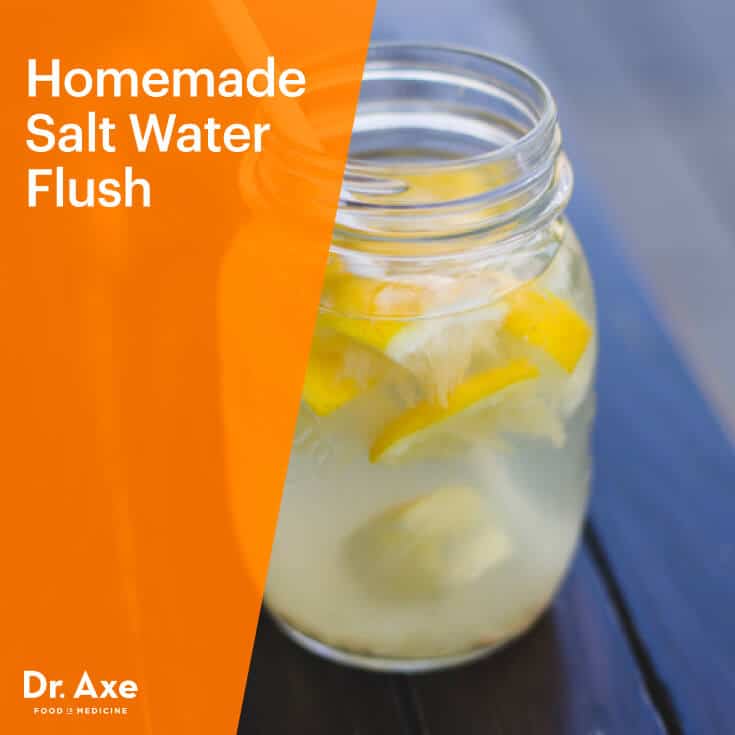
Salt Water Flush Recipe

Salt water flush recipe
Are you like 20 percent of the public that suffers from constipation? It’s nothing to be ashamed about, so even if high-fiber foods don’t always do the trick, consider a salt water flush. Sometimes called a “salt water cleanse” or a “master cleanse,” it’s designed to help you cleanse your colon and digestive system by bringing on a forced bowel movement.
The key part of a salt water flush recipe is salt itself, as it’s needed for many biochemical processes. The official salt water flush has become more popular over the past decade as a “hack” to facilitate digestion and cleansing as part of a kick-start when doing a “master cleanse” program. Drinking a salt mixture ignites the body’s own mechanism of natural detoxification and waste elimination, helping to get your digestive system back on track and in the process making you feel lighter, less sluggish and less weighed-down.
Feeling bloated or backed up? Try this natural salt water flush recipe!

The salt water flush is most effective if you perform it first thing in the morning on an empty stomach. If you do it later in the day, just make sure you haven’t eaten anything in the past one to two hours.
To perform a simple sea salt flush at home, start with 2 teaspoons of sea salt, which can be colored salt, such as pink Himalayan salt or “gray salt.” (Make sure it’s pure salt, for you don’t want to use iodinated salt — so always make sure there is no iodine added at all.)
Heat up 1 liter of filtered water. You want the water to be warmer than room temperature, but not boiling or very hot. It should be cooler than the temp you would use to brew tea or coffee.
Grab a glass jar with a lid and add the salt, hot water, and some fresh lemon juice or lemon water (which helps cut the taste of the salt). Shake it vigorously to fully dissolve the salt. Make sure no granules are visible, which will settle at the bottom of your jar/lid if they’re still undissolved.
Drink the mixture quickly, within a few minutes if possible (under 5 minutes is the goal). Since it doesn’t taste great (it’s very salty!), you will probably want to drink it down as fast as you can.
Lay down on your side and massage your belly on one side, then repeat on the other side. If you can manage to hold in the solution for about 30 minutes, this will help your body fully absorb the salt.
Within a short time after finishing the mixture, you should start to feel the urge to go to the bathroom. Once you feel you can no longer hold out, go to the bathroom. You might have to go more than one time, sometimes needing to use the bathroom for several hours before you’re fully “cleansed” and your colon is emptied.
After doing a cleanse of any kind, it’s a good idea to take a probiotic supplement and load up on healthy foods, which helps establish healthy bacteria in your internal gut flora (microbiome) and provide you essential nutrients/electrolytes.

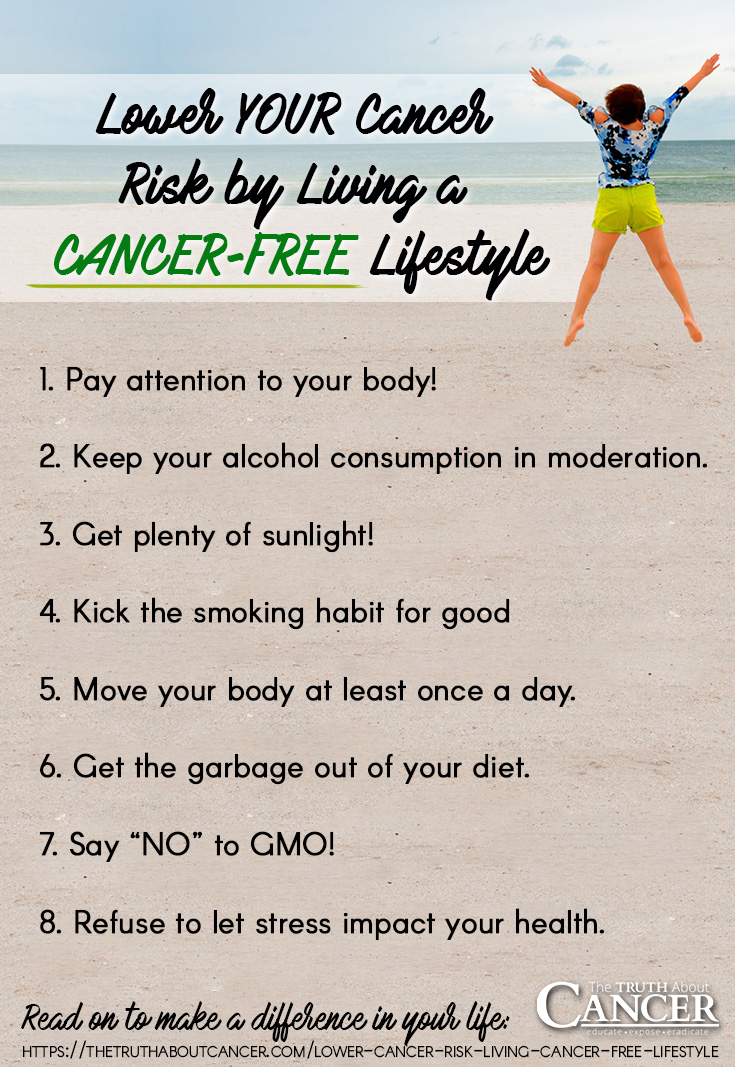
Lower Your Cancer Risk by Living a Cancer-Free Lifestyle


Cancer can be devastating to every aspect of your life if you or a loved one is diagnosed. But this doesn’t have to be the case. Today there is more information than ever about preventing and beating cancer that gives hope to millions. Yet so many lives continue to be lost.
Experts estimate that at least half of the cases of cancer can be prevented. Considering that 1.6 million people will be diagnosed with some form of cancer in 2014, half is a pretty big number.
How do you lower your cancer risk? Even if you do everything right, you could still be diagnosed with cancer but your overall risk drops dramatically with every step you take to being cancer-free.
Lower Your Cancer Risk by Living a Cancer-Free Lifestyle. 8 steps to lower your cancer-risk by The Truth About Cancer.

8 Lifestyle Changes You Can Make Right Now to Lower Your Cancer Risk

  1. Pay attention to your body! Many forms of cancer – such as breast and skin cancer – have much higher survival rates if detected early with the proper detection method. For instance, in the detection of breast cancer, thermography is far superior to mammography (which actually causes cancer)It is critical that you know your own body…and listen to it. Yearly exams with your doctor for blood work and a checkup could be the key to catching cancerous cells early, but beware of doctors who constantly want to poke and prod. There are many non-invasive tests that they could and should be using.
  2. Keep your alcohol consumption in moderation. Not only does drinking to excess raise your risk of liver disease, heart disease, and diabetes, it is known to increase body-wide inflammation. While red wine has beneficial flavonoids proven to improve your cardiovascular system, doctors suggest no more than two drinks daily for men and no more than one for women.
  3. Get plenty of sunlight! The popular myth is that exposure to the sun causes skin cancer, but this is not completely accurate. Sun exposure is actually good for you and increases your body’s production of vitamin D (via the interaction of ultraviolet light with cholesterol in your skin). Thirty minutes of early morning or late afternoon sun on your hands and face is enough to get your recommended dose of vitamin D. But you don’t want to burn, as this might cause DNA damage and eventually cancer, so be careful. But do not use sunscreen, as it filters out helpful ultraviolet light and also contains several chemicals which cause cancer.
  4. Kick the smoking habit for good. Interestingly, it’s not actually tobacco itself that causes the cancer – it’s the chemicals that are used in the process of making the tobacco product that cause cancer.  Quitting is the number one preventative measure you can take right now to decrease your cancer risk.  A person dies from lung cancer every thirty seconds somewhere in the world and it is the leading cancer killer of men and women in the United States. The bright side is that your body begins to repair itself within hours of your last use and over 5-10 years, your risk of lung cancer returns to that of a person who doesn’t smoke.
  5. Move your body at least once a day. Regular exercise doesn’t have to be excessive, just consistent. A walk around the block, joining a low-impact aerobics class, rebounding on a mini trampoline, or simply walking your dog give your bodythe exercise it needs to keep you healthy. A sedentary lifestyle raises your risk of cancer, heart disease, diabetes, and obesity.
  6. Get the garbage out of your diet. Choose organic whenever possible, forget “pre-prepared” foods, and ditch anything that has a full list of chemicals you can’t pronounce. A diet rich in fruits, vegetables, healthy fats, and water is one guaranteed way to give your body the fuel it needs to keep you strong for years to come.
  7. Say “NO” to GMO! Genetically modified organisms (GMO) have been shown to cause cancer and premature death in laboratory rats, so they should be avoided like the plague. Over 90% of the corn, soy, canola, sugar beets, and cotton in the USA has been genetically modified, so be sure to read labels!
  8. Refuse to let stress impact your health. Ongoing stress leads to total body inflammation that has been linked to cancer, heart disease, and Alzheimer’s. Refuse to allow stress to destroy you mentally, emotionally, and physically by evaluating the causes of stress in your life and getting rid of them one at a time. Forgive, forget, and move on.

Lowering your own risk of cancer has more to do with your individual lifestyle choices than you may realize. Make the commitment to your health to take on one challenge every month and you’re going to feel better right now as well as for years to come.

Cannabis and coconut oil make powerful mixture to kill cancer cells

Humans have cultivated and used the flowering tops of the female cannabis plant, known colloquially as marijuana since history was recorded. Archaeologists in Central Asia even found over 2 pounds of cannabis in a 2,700-year-old grave of a shaman.
Written and pictorial evidence of cannabis use is scattered throughout numerous cultures indicating a wide acceptance and use of the plant for thousands of years.

Drug Classification Halts Use

cannabis
Federal prohibitions outlawing the therapeutic and recreational use of cannabis were first imposed by Congress with the Marijuana Tax Act of 1937. Later, the plant’s organic compounds (cannabinoids) were classified as a Schedule I substance under the Controlled Substances Act of 1970.
This classification puts the plant in the same pool as heroin and states that cannabis possesses “a high potential for abuse … no currently accepted medical use … [and] a lack of accepted safety for the use of the drug … under medical supervision.”
In contrast, cocaine and methamphetamine – illegal for recreational use, may be consumed under a doctor’s supervision and are classified as Schedule II drugs. Examples of Schedule III and IV drugs include anabolic steroids and Valium. Analgesics that contain codeine are defined by law as Schedule V drugs, the most lenient classification.

In Support of Therapeutic Use

Advertisement
Federal lawmakers continue to use the dated drug classification as a means to defend criminalization of marijuana. However, there appears to be a very little scientific basis for the categorization of the plant. As its prohibition has passed 75 years, researchers continue to study the therapeutic properties of cannabis.
There are over 20,000 published reviews and studies in a scientific literature that pertain to the cannabis plant and its cannabinoids, almost one-third of these have been published in the last 4 years. A keyword search on PubMed Central (the US government library of peer-reviewed scientific research) shows 2,100 studies alone since 2011.
Modern culture is now catching up on what our ancestors knew, and public opinion and relaxing state legislation are leading the way for more people to use medicinal marijuana for a wide number of medical conditions. At present, marijuana for medical purposes is legal in 20 states and the District of Columbia.
While the debate continues to boil at both state and federal levels, there has been a strong and growing trend of acceptance related to the growing body of scientific evidence indicating that marijuana may indeed contain some powerful medicinal properties that we would be foolish to overlook.
Joycelyn Elders, MD, former US Surgeon General, wrote the following in a March 26, 2004, article titled “Myths About Medical Marijuana,” published in the Providence Journal:
“The evidence is overwhelming that marijuana can relieve certain types of pain, nausea, vomiting and other symptoms caused by such illnesses as multiple sclerosis, cancer, and AIDS — or by the harsh drugs sometimes used to treat them. And it can do so with remarkable safety. Indeed, marijuana is less toxic than many of the drugs that physicians prescribe every day.”
Ray Cavanaugh, Ph.D., National Director of the American Alliance for Medical Cannabis (AAMC), wrote the following in a 2002 article titled “The Plight of the Chronically Ill,” posted on the AAMC website:
“Many of the chronically ill have successfully sought relief with the use of medical cannabis, an age-old remedy that now shows real scientific efficacy. Hundreds of thousands of the sick have replaced disabling narcotics and other psychotropic medications with nontoxic and benign cannabis. The anecdotal evidence is overwhelming.
Folks with spinal injuries able to give up their walkers, AIDS patients able to gain weight and keep their medications down, cancer patients finding relief from the terrible nausea of chemotherapy, chronic pain patients once again functional with their consciousness restored from narcotic lethargy, and folks once disabled from crippling psychiatric disorders and addictions, returned to sanity and society with the assistance of a nontoxic herb with remarkable healing powers.”
The American Nurses Association (ANA) wrote the following in its Mar. 19, 2004 “Position Statement: Providing Patients Safe Access to Therapeutic Marijuana/Cannabis,” posted on the ANA website:
“The American Nurses Association (ANA) recognizes that patients should have safe access to therapeutic marijuana/cannabis. Cannabis or marijuana has been used medicinally for centuries. It has been shown to be effective in treating a wide range of symptoms and conditions.”
Researchers at the University of California Center for Medicinal Cannabis Research announced findings from a number of randomized, placebo-controlled clinical trials on the medical utility of inhaled cannabis in 2010.
Advertisement
The studies used the FDA ‘gold standard’ clinical trial design and reported that marijuana should be the “first line of treatment” for patients suffering from neuropathy and other serious illnesses.
Neuropathy is a type of pain associated with diabetes, cancer, spinal cord injuries, HIV/AIDS and other debilitating conditions. The trials indicated that marijuana controlled pain as good or better than available medications.
Scientists continue to study the effectiveness of cannabinoids all over the world. In Germany, there have been over 37 controlled studies, with over 2,500 subjects, assessing the safety and efficacy of marijuana, since 2005. In contrast, most FDA-approved drugs go through far fewer trials with fewer subjects but are approved for use.
The research on cannabis has shifted from studying its ability to alleviate symptoms of a disease such as nausea associated with chemotherapy to its potential role in modifying disease. Medical marijuana has been shown to slow the onset of Alzheimer’s disease and moderate autoimmune disorders including multiple sclerosis, inflammatory bowel disease, and rheumatoid arthritis.

Cannabis and Coconut Oil

Medical marijuana capsules infused in coconut oil are an alternative way to therapeutically use cannabis without having to inhale it through smoking. Infusing cannabis into coconut oil also allows for easy entry into the liver where it can be rapidly processed.
Coconut oil is used because of its high amount of essential fatty acids which makes it a good binding agent for the cannabinoids. Not to mention its amazing health properties. Half of the fat in coconut oil is comprised of a fat that is not frequently found in nature, lauric acid.
Advertisement
Lauric acid has been called a “miracle” ingredient due to its health-promoting capabilities and is present in a mother’s milk. In fact, it can be found in only three dietary sources—small amounts in butterfat and larger amounts in palm kernel and coconut oil.
In the body, lauric acid is converted to monolaurin, which is a potent antiviral, antibacterial and antiprotozoal substance. Because monolaurin is a monoglyceride, it can destroy lipid-coated viruses including measles, influenza, HIV, herpes and a number of pathogenic bacteria.

Testimony – A Success Story

While many remain suspicious of the therapeutic benefits of cannabis, Stan and Barb Rutner are convinced of its efficacy. This couple has stood in the face of cancer a number of times and survived to learn from their experiences.
Barb had two bouts of breast cancer and Stan were diagnosed 20 years ago with non-Hodgkin lymphoma which, after treatment, disappeared. However, in 2011, it returned. Cancerous nodes in his lungs were diagnosed and later he was told that the cancer was in his brain. The outlook was grim indeed.
As he went through the harsh treatment of chemotherapy and radiation, Stan and his family wanted to find a natural solution that would help improve his quality of life and even prolong it. Hearing that cannabis was effective in helping with the pain and other effects of chemotherapy for cancer patients they were more than open to give it a try. According to Stan and Barb, medical cannabis was the golden ticket.
The Rutners daughter, Corinne and her husband did some research and it was decided that daytime cannabis capsule infused in coconut oil would be a good choice. After two weeks of taking the capsule, Stan was able to give up his oxygen tank that he was tied to around the clock. He began to gain weight, sleep better and get stronger overall. After several months, a brain scan revealed that Stan was completely cancer free.
The Rutners are convinced that cannabis works as an anti-cancer medicine. According to John, the Rutners son-in-law:
“There is no doubt in my mind that cannabis pulled my father-in-law out of the wasting stages of cancer and enabled him to gain strength and in turn fight this horrible cell malfunction with success. While many would say that the chemo and radiation could have played a part, he would never have lived long enough to find out without cannabis oil.”
https://www.youtube.com/watch?v=bHBPKtnvX1U 
600 Reasons Turmeric May Be The World’s Most Important Herb

555,555READERS
By Sayer Ji • Originally published on Greenmed.info
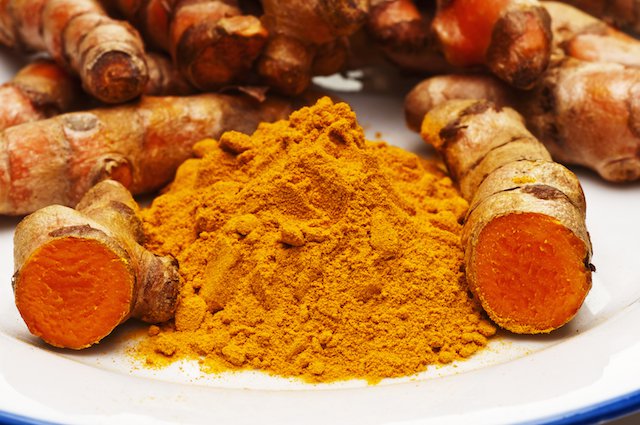
There is a medicinal spice so timelessly interwoven with the origins of human culture and metabolism, so thoroughly supported by modern scientific inquiry, as to be unparalleled in its proven value to human health and well-being.
Indeed, turmeric turns the entire drug-based medical model on its head. Instead of causing far more side effects than therapeutic ones, as is the case for most patented pharmaceutical medications, turmeric possesses hundreds of potential side benefits, having been empirically demonstrated to positively modulate over 160 different physiological pathways in the mammalian body.
While no food or herb is right for everyone, and everything has the potential for unintended, adverse side effects, turmeric is truly unique in its exceptionally high margin of safety vis-à-vis the drugs it has been compared with, e.g. hydrocortisoneibuprofenchemotherapy agents. Furthermore, nothing within the modern-day pharmaceutical armamentarium comes even remotely close to turmeric’s 6,000 year track record of safe use in Ayurvedic medicine.
Despite its vast potential for alleviating human suffering, turmeric will likely never receive the FDA stamp of approval, due to its lack of exclusivity, patentability and therefore profitability. Truth be told, the FDA’s “gold standard” for proving the value of a prospective medicinal substance betrays the age old aphorism: “he who owns the gold makes the rules,” and unless an investor is willing to risk losing the 800+ million dollars that must be spent upfront, the FDA-required multi-phased double-blind, randomized clinical trials will not occur. For additional details on this rather seedy arrangement read my article on the topic: Why The Law Forbids The Medicinal Use of Natural Substances.
At GreenMedInfo.com, we have reviewed over 5,000 study abstracts from the National Library of Medicine’s bibliographic database known as MEDLINE and have discovered over 600 potential health benefits of turmeric, and/or its primary polyphenol known as curcumin. These can be viewed on our turmeric research page which is dedicated to disseminating the research on the topic to a larger audience.
Some of the most amazing demonstrated properties include:
Again, what is so amazing is not that turmeric may have value in dozens of health conditions simultaneously, or that it may improve conditions that are completely resistant to conventional treatment, but that there are over six hundred additional health conditions it may also be valuable in preventing and/or treating. Consider also the fact that turmeric grows freely on the Earth, and you will understand why its very existence threatens billions of dollars in pharmaceutical industry revenue.
Learn more about this research in the video below (keeping in mind that it is several years old and needing some updating), and please spread the information to others who may benefit from learning more on the topic.

From Ocean Robbins, Food Revolution Network CEO:

Many of our members have been asking how much curcumin to take, how to take it in a bioavailable form, and where to get curcumin from a source they can trust. The challenge with taking full advantage of the curcumin in turmeric is low bioavailability. Personally, I love mixing fresh and dried turmeric into all sorts of foods – and I always try to include black pepper with it, because studies show that piperine (found in black pepper) helps to increase absorbability. But now Quantum Wellness Botanical Institute has developed a curcumin supplement that includes a potent delivery enhancer (made using organic lecithin and organic turmeric oil) which they say has been found to increase bioavailability by 500%. Their supplement is 100% vegetarian, organic, soy free and non-GMO. Click here if you’d like to find out more.

Power to the Patients! (ep.4) Cannabis Cures BREAST Cancer!

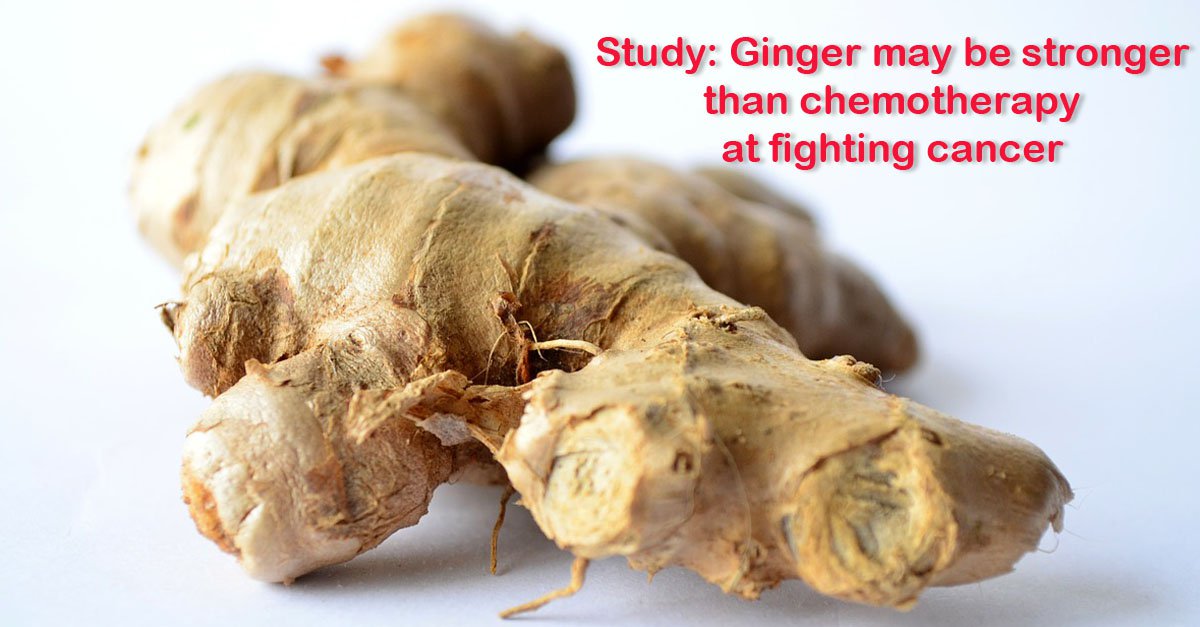
Ginger: 10,000x Stronger Than Chemo In Cancer Research Model

613,488READERS
Study: Ginger fights cancer
By Sayer Ji • Originally published on GreenMedInfo.com
A new study reveals ginger contains a pungent compound that could be up to 10,000 times more effective than conventional chemotherapy in targeting the cancer stem cells at the root of cancer malignancy.
A new study published in PLoS reveals a pungent component within ginger known as 6-shogaol is superior to conventional chemotherapy in targeting the root cause of breast cancer malignancy: namely, the breast cancer stem cells.
As we have discussed in greater detail in a previous article titled, “Cancer Stem Cells: The Key To Curing Cancer,” cancer stem cells are at the root of a wide range of cancers, not just breast cancer, and are sometimes referred to as “mother cells” because they are responsible for producing all the different “daughter” cell types that makeup the tumor colony. While cancer stem cells only constitute between .2 and 1% of the cells within any given tumor, they have the seeming “immortal” ability to self renew, are capable of continuous differentiation, are resistant to conventional chemotherapeutic agents, and are tumorigenic, i.e. are capable of “splitting off” to create new tumor colonies. Clearly, the cancer stem cells within a tumor must be destroyed if cancer treatment is to affect a lasting cure.
The new study titled, “6-Shogaol Inhibits Breast Cancer Cells and Stem Cell-Like Spheroids by Modulation of Notch Signaling Pathway and Induction of Autophagic Cell Death,” identified powerful anti-cancer stem cell activity in 6-shogaol, a pungent constituent of ginger produced when the root is either dried or cooked. The study also found that the cancer-destroying effects occurred at concentrations that were non-toxic to non-cancerous cells – a crucial difference from conventional cancer treatments that do not exhibit this kind of selective cytotoxicity and therefore can do great harm to the patient.
The authors of the study further affirm these points:
“Cancer stem cells pose serious obstacle to cancer therapy as they can be responsible for poor prognosis and tumour relapse. To add into the misery, very few chemotherapeutic compounds show promise to kill these cells. Several researchers have shown that cancer stem cells are resistant to paclitaxel, doxorubicin, 5-fluorouracil, and platinum drugs [8, 16]. CSCs are thus an almost unreachable population in tumours for chemotherapy. Therefore any compound, that shows promise towards cancer stem cells, is a highly desirable step towards cancer treatment and should be followed up for further development.”
The researchers identified a variety of ways by which 6-shagoal targets breast cancer:
  • It reduces the expression of CD44/CD24 cancer stem cell surface markers in breast cancer spheroids (3-dimensional cultures of cells modeling stem cell like cancer)
  • It significantly affects the cell cycle, resulting in increased cancer cell death
  • It induces programmed cell death primarily through the induction of autophagy, with apoptosis a secondary inducer
  • It inhibits breast cancer spheroid formation by altering Notch signaling pathway through γ-secretase inhibition.
  • It exhibits cytotoxicity (cell killing properties) against monolayer (1-dimensional cancer model) and spheroid cells (3-dimensional cancer model)
It was in evaluating the last mode of 6-shagoal’s chemotherapeutic activity and comparing it to the activity of the conventional chemotherapeutic agent taxol that the researchers discovered an astounding difference. Whereas taxol exhibited clear cytotoxicity in the one-dimensional (flat) monolayer experimental model, it had virtually no effect on the spheroid model, which is a more “real world” model reflecting the 3-dimensionality of tumors and their stem cell subpopulations. Amazingly, this held true even when the concentration of taxol was increased by four orders of magnitude:
“In contrast [to 6-shagoal], taxol, even though was highly active in monolayer cells, did not show activity against the spheroids even at 10000 fold higher concentration compared to 6-shogoal.”
This is a highly significant finding, as it affirms a common theme in cancer research that acknowledges the primarily role of cancer stem cells: namely, while conventional techniques like surgery, radiation, and chemotherapy are effective at reducing a tumor’s size, sometimes to the point where it is “debulked,” burned,” or “poisoned” out of the body even below the threshold of re-detection, the appearance of “winning the battle” often comes at a steep price, as ultimately the cancer stem cell population regrows the tumors, now with increased vengeance and metastastic invasiveness, resulting in the cancer “winning the war.”
The monolayer model, which does not account for the complex immunity of actual cancer stem-cell based tumors against chemoagents like taxol, represents the old preclinical model of testing cancer treatments. The spheroid model, on the other hand, clearly shows that even 10,000 times higher concentrations of taxol are not capable of beating this ginger component at selectively targeting the root cause of the tumor malignancy.
In their concluding remarks, the authors point out a hugely important distinction between natural anti-cancer agents and conventional ones that have only been introduced in the past half century or so, namely, “Dietary compounds are welcome options for human diseases due to their time-tested acceptability by human bodies.”  
Unlike modern synthetically produced and patented chemicals, ginger, curcumin, green tea, and hundreds of other compounds naturally found in the human diet, have been “time-tested” as acceptable to the human body in the largest and longest running “clinical trials” known: the tens of thousands of years of direct human experience, spanning thousands of different cultures from around the world, that constitute human prehistory. These experientially-based “trials” are validated not by RCTs, or a peer-reviewed publication process, but by the fact that we all made it through this incalculably vast span of time to be alive here today. Consider also that if our ancestors made the wrong dietary choice by simply mistaking an edible berry for a poisonous one, the consequences could be deadly. This places even greater emphasis on how the “time testing” of dietary compounds was not an academic but a life-death affair, and by implication, how the information contained within various cultural traditions as “recipes” passed down from generation to generation are “epigenetic inheritance systems” no less important to our health and optimal gene expression as the DNA in our own bodies.
Ultimately, this new study adds to a growing body of research indicating that cancer stem cell targeting approaches using natural substances present in the human diet for thousands of years are far superior chemotherapy and radiation, both of which actually increase the relative populations of cancer stem cells versus non-tumorigenic ones. For further reading on ginger’s anti-cancer properties, consult our Ginger Research database. Also, you can use our Cancer Research Health Guide for thousands of studies and articles about natural healing approaches for cancer.
Sayer Ji is an author and educator, a Board of Governor for the National Health Federation, Steering Committee Member of the Global GMO Free Coalition (GGFC), and founder of Greenmedinfo.com. Join their free newsletter here.Sayer Ji