Showing posts with label dr axe. Show all posts

Dr Josh Axe


7 Benefits of Feta Cheese Nutrition — the Healthiest Cheese & Even Anti-Cancer

Feta cheese nutrition - Dr. Axe
I have good news! Not all cheese is bad for you — so if you’re a cheese lover, make sure you choose the healthiest cheese out there: feta.
Cheese is a delicious, savory addition to many dishes, but with the rise in popularity of processed dairy, it’s become a product many people avoid when sticking to a healthy diet.
Made from sheep or goat milk (often combined), feta cheese is a nutrient-rich option for getting the flavor you’re looking for, without the guilt. Feta is easier to digest and much less allergenic and inflammatory than cheeses from cow’s milk, which is encouraging to those of you who may be sensitive to dairy products.

Like most food products, it’s much better raw. If you can, avoid feta cheese made from pasteurized milk products. It’s important to also remember that feta cheese, high in sodium and saturated fat, should be used sparingly, and not every day.

Feta Cheese Nutrition Facts

The word “feta,” used by Greeks to describe this extremely popular cheese, comes from the Italian word fetta, which means “slice.” While the European Union now has specific qualifications of feta cheese, it’s possible to find “feta” cheese in other parts of the world that is made from cow or buffalo milk.
Need a reason to eat more (healthy!) cheese. Click here for a free guide on the 7 benefits of feta cheese!

Feta is a soft brined cheese characterized by few to no holes, a tangy taste and no skin. Feta cheese nutrition will depend on exactly what brand and type of feta you get. Traditional feta is made either from pure sheep’s milk, or a combination of sheep’s and goat’s milk (and no more than 30 percent goat’s milk).
One serving of feta cheese (weighing about 28 grams) contains: (1)
  • 74 calories
  • 6 grams of fat
  • 260 milligrams sodium 
  • 1.2 grams carbohydrates
  • 4 grams protein
  • 1 gram sugar
  • 0.2 milligrams riboflavin/vitamin B2 (14 percent DV)
  • 140 milligrams calcium (14 percent DV)
  • 312 milligrams sodium (13 percent DV)
  • 94 milligrams phosphorus (9 percent DV)
  • 0.5 micrograms vitamin B12 (8 percent DV)
  • 0.1 milligrams vitamin B6 (6 percent DV)
  • 4.2 micrograms selenium (6 percent DV)

7 Benefits of Feta Cheese

1. Protects against cancer
Perhaps one of the most intriguing benefits of feta cheese nutrition? It’s cancer-protective effects. As a rich source of calcium, feta cheese allows you to take advantage of research suggesting that calcium (combined with vitamin D) helps protect the body against various types of cancer. (2)
Don’t forget that magnesium is vital for calcium absorption. If you have a magnesium deficiency, your body is not properly absorbing the calcium you consume, which means you won’t get its full health benefits.
But it’s not just calcium in feta cheese nutrition that protects against cancer! The protein alpha-lactalbumin can be found in this Greek cheese as well, and when it binds to calcium and zinc ions, has been suggested to have antibacterial and antitumor properties.
2. Supports bone health
You probably already know that calcium is good for your bones. After all, who hasn’t heard of the “Got Milk” campaign of the ’90s? However, countries with high dairy consumption also have high incidence rates of osteoporosis — so what’s going on, and why might feta be one of the answers to the calcium and dairy question?
First of all, it’s true — calcium supports your bones. It increases peak bone mass, especially in children and teens into those in their 20s. The greater your peak bone mass, the less risk you are at for osteoporosis and other conditions involving the loss of bone mass.
However, milk can hurt your bones, as pasteurized cow’s milk is one of the worst places to get the most calcium, due to its habit of causing acidosis (a high level of acid in the body). Instead, find other high-calcium foods (like feta), and try introducing more alkaline foods into your diet, such as parsley, spinach, and zucchini.
3. Boosts immune system
Another protein found in feta cheese nutrition is called histidine. This protein was initially considered important only in infant health, but later was found essential in adults as well. (3)
When histidine is combined with vitamin B6 (also found in feta cheese), it undergoes a molecular process to become histamine. That compound is part of the inflammatory process. Although it is generally important to remove foods that cause inflammation from your diet, a small degree of inflammation is what allows your immune system to fight disease.
Eating foods like feta cheese sparingly, combined with a diet high in antioxidants to protect from the damage of excess inflammation, can ensure a healthy immune system ready to fight disease the way it was originally designed. (Plus, as a bonus, feta cheese contains probiotics, which also help your immune system fight infection and disease!)

Feta cheese guide - Dr. Axe

4. Helps you maintain a healthy gut
Another good thing about feta cheese nutrition is that is provides you with helpful probiotics! (4) Probiotics are the bacteria that line your gut. When they go out of whack, your body becomes a breeding ground for bacteria, yeast, fungi, parasites and many other very unsavory things.
Not only are probiotics immunity boosters, they allow you to maintain a healthy gut and avoid many digestive problems common in high-stress lifestyles, especially in people who regularly consume GMOs, sugary foods and are exposed to antibiotics and other dangerous chemicals.
5. Prevents headaches, including migraines
Feta cheese is a good source of vitamin B2 or “Riboflavin.” Vitamin B2 has been known for a long time as a natural remedy for headaches, migraines included. (5) A diet rich in vitamin B2 (and Riboflavin supplements, if needed) can serve as a preventative method to limit migraines and other types of chronic headache.
6. Protects your eyes and prevents degenerative eye disease
Riboflavin is good for more than one part of your noggin! Studies show that people whose diets are high in vitamin B2 are at a lower risk of degenerative eye diseases such as cataracts, keratoconus and glaucoma (all of which are associated with aging). (6)
7. Part of a natural treatment for anemia
Anemia is related to a problem with the hemoglobin cell that carries oxygen throughout the body. When your body is unable to get enough oxygen to the cells and tissues, it becomes weak and fatigued.
Associated with low levels of iron, folic acid or vitamin B12, anemia can be naturally treated with certain foods and supplementation of the deficient nutrients. Therefore, the vitamin B12 (and small amount of iron) found in feta cheese can serve as part of a diet to fight anemia. (7)

The History and Battles of Feta Cheese

The earliest documented reference to the production of feta cheese was in Greece, in the 8th century B.C. The technology described in Homer’s Odysseyto create this cheese from sheep and goat milk is actually similar to the method modern shepherds employ. Popular in ancient Greece, feta cheese was vital to Greek gastronomy.
However, what we consider feta cheese today was first recorded in the Byzantine Empire under the name “prósphatos,” meaning “fresh.” It’s brine storage and marketing was later explained by an Italian visitor to the island of Crete.
Feta cheese, interestingly, has been a source of quite a bit of legal battling in recent decades. Within the European Union, Denmark had, at one point, created what they termed “feta cheese,” but made from blanched cow’s milk. Since 2002, marking the resolution of that case, the EU has deemed the term “feta” as a PPO, or “protected product of origin,” of Greece.
Another recent agreement in 2013 between the EU and Canada protects the name “feta cheese” from being used, except when referring to sheep’s/goat’s milk cheese imported from Greece. Canadian manufacturers are now required to label their similar product as “feta-style cheese.”
These disputes originated mainly from the argument that the specific breeds of sheep and goats within Greece are what give real feta its distinctive aroma and flavor.

How to Use + Recipes

Feta is generally used as a topping for salads and other types of food. You can use feta cheese raw or cooked. Many recipes call for feta cheese crumbles, but you’ll also find many recipes that use slices of feta.
One of our best recipes involving feta is my Roasted Beet Salad. It’s a simple salad with antioxidant-rich beets, using feta cheese as a topping.
You may also enjoy feta in many Mediterranean Diet Recipes, including Cucumber Rollups. Just put some raw feta crumbles on sliced cucumber covered in hummus, along with red peppers.
Hungry for grilled cheese? Then I suggest using feta as part of this Avocado Grilled Cheese sandwich. Trust me, you will be really happy you did.

Potential Side Effects & Caution

While feta cheese is significantly less allergenic than cheese derived from cow’s milk, it is still possible to be allergic to goat or sheep’s milk. About 90 percent of people with a diagnosed cow’s milk allergy also find that their body recognizes the same proteins in goat’s milk.
However, if you are sensitive but not allergic to cow’s milk, you will probably find products like feta to be a great alternative!
Another potential caution when consuming feta cheese is for those suffering from histamine intolerance. (8) Again, histamine is a vital protein in small doses to help your body fight infection, but too much of it causes excess inflammation. People who suffer from histamine intolerance, unlike most people, have a very hard time breaking down histamine when it exists in high levels in the body, and may experience allergy-like symptoms when consuming food containing the histamine protein.
If you experience symptoms like hives, sweating or swelling after consuming feta cheese or other goat/sheep milk products, stop eating it and consult your physician immediately.

Dr Josh Axe


Salt Water Flush Recipe

Salt water flush recipe
Are you like 20 percent of the public that suffers from constipation? It’s nothing to be ashamed about, so even if high-fiber foods don’t always do the trick, consider a salt water flush. Sometimes called a “salt water cleanse” or a “master cleanse,” it’s designed to help you cleanse your colon and digestive system by bringing on a forced bowel movement.
The key part of a salt water flush recipe is salt itself, as it’s needed for many biochemical processes. The official salt water flush has become more popular over the past decade as a “hack” to facilitate digestion and cleansing as part of a kick-start when doing a “master cleanse” program. Drinking a salt mixture ignites the body’s own mechanism of natural detoxification and waste elimination, helping to get your digestive system back on track and in the process making you feel lighter, less sluggish and less weighed-down.
Feeling bloated or backed up? Try this natural salt water flush recipe!

The salt water flush is most effective if you perform it first thing in the morning on an empty stomach. If you do it later in the day, just make sure you haven’t eaten anything in the past one to two hours.
To perform a simple sea salt flush at home, start with 2 teaspoons of sea salt, which can be colored salt, such as pink Himalayan salt or “gray salt.” (Make sure it’s pure salt, for you don’t want to use iodinated salt — so always make sure there is no iodine added at all.)
Heat up 1 liter of filtered water. You want the water to be warmer than room temperature, but not boiling or very hot. It should be cooler than the temp you would use to brew tea or coffee.
Grab a glass jar with a lid and add the salt, hot water, and some fresh lemon juice or lemon water (which helps cut the taste of the salt). Shake it vigorously to fully dissolve the salt. Make sure no granules are visible, which will settle at the bottom of your jar/lid if they’re still undissolved.
Drink the mixture quickly, within a few minutes if possible (under 5 minutes is the goal). Since it doesn’t taste great (it’s very salty!), you will probably want to drink it down as fast as you can.
Lay down on your side and massage your belly on one side, then repeat on the other side. If you can manage to hold in the solution for about 30 minutes, this will help your body fully absorb the salt.
Within a short time after finishing the mixture, you should start to feel the urge to go to the bathroom. Once you feel you can no longer hold out, go to the bathroom. You might have to go more than one time, sometimes needing to use the bathroom for several hours before you’re fully “cleansed” and your colon is emptied.
After doing a cleanse of any kind, it’s a good idea to take a probiotic supplement and load up on healthy foods, which helps establish healthy bacteria in your internal gut flora (microbiome) and provide you essential nutrients/electrolytes.

Castor Oil Speeds Up Healing & Improves Your Immunity

Castor oil - Dr. Axe
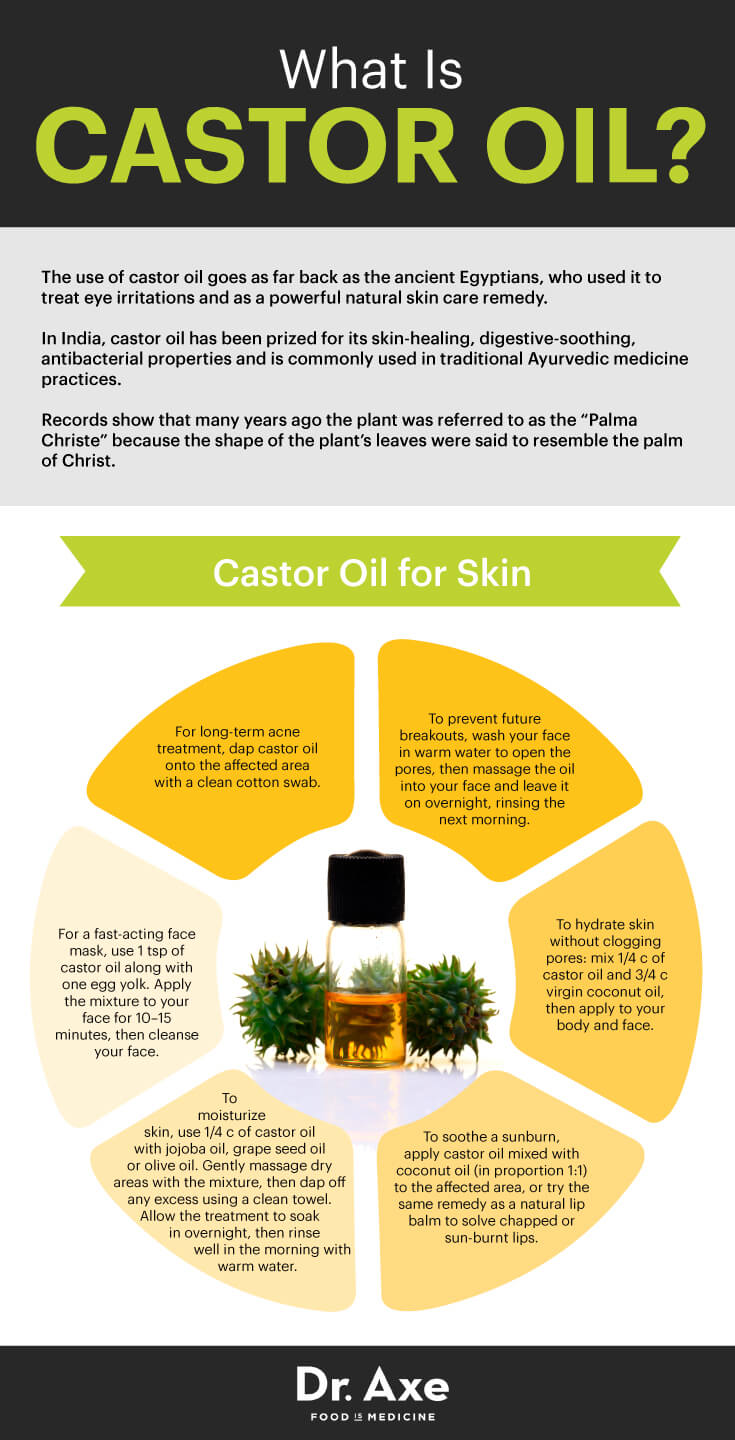
Folk healers worldwide have used castor oil to treat a wide variety of health conditions for thousands of years. The use of castor oil goes as far back as the ancient Egyptians, who used it to treat eye irritations and as a powerful natural skin care remedy. In India, castor oil has been prized for its skin-healing, digestive-soothing, antibacterial properties and is commonly used in traditional Ayurvedic medicine practices.
Not sure about castor oil benefits? Find Out Here.

For centuries, at the first sign of illness, many mothers and grandparents would immediately turn to giving their children castor oil either topically or internally to naturally boost immune function and speed up healing. Derived from the seeds of the castor bean plant (Ricinus communis), records show that many years ago the plant was referred to as the “Palma Christe” because the shape of the plant’s leaves were said to resemble the palm of Christ.

What Is Castor Oil?

Throughout history, castor oil’s most popular use has been for treating skin infections, lowering constipation and boosting the appearance of hair health, but research has shown that castor oil has even more important applications for supporting the immune system. Castor oil is capable of increasing white blood cells and the count of T-11 cells (a type of special white blood cells that act like antibodies) produced within the body’s lymphocytes that help kill viruses, fungi, bacteria and cancer cells.
Many of castor oil’s benefits come down to its chemical composition. It’s classified as a type of triglyceride fatty acid, and almost 90 percent of its fatty acid content is a specific and rare compound called ricinoleic acid. Castor oil is considered to be pretty unique because ricinoleic acid is not found in many other substances, and it’s such a dense, concentrated source. It is produced by cold-pressing the seeds and subsequent clarification of the oil by heat.
Aside from its primary constituent, ricinoleic acid, castor oil also contains certain beneficial salts and esters that function primarily as skin-conditioning agents. At the same time, they help stabilize the texture and consistency of products, which is why castor oil is used in so many cosmetics, hair and skin-care treatments.
According to the International Journal of Toxicology, castor oil and hydrogenated castor oil reportedly were used in 769 and 202 cosmetic products, respectively, during the time of an analysis in 2002! Ricinus communis (castor) seed oil is the name given to the type of castor oil used in cosmetics, which you might find listed on the ingredient label, especially in lipsticks.

Castor Oil Benefits

As an unsaturated fatty acid, ricinoleic acid found in castor oil has many healing abilities, including:
  • supporting the lymphatic system
  • increasing circulation
  • preventing the growth of viruses, bacteria, yeasts and molds
  • fighting skin disorders and infections
  • helping to kill ringworm, keratoses, skin inflammation, abrasions and fungal infections
  • healing acne
  • helping hair grow
  • reducing itching and swelling on the skin
  • fighting toenail fungus
  • easing constipation
  • hydrating chapped lips
  • reducing painful sunburns
  • helping with pregnancy and inducing labor
  • and many more
One of the major reasons castor oil has strong immune-enhancing effects is because it supports the body’s lymphatic system. The most significant role of the lymphatic system, which is spread throughout the whole body in small tubular structures, is that it absorbs and removes excess fluids, proteins and waste materials from our cells.
Lymph nodes located within these tubes act like the body’s natural filters for toxins, and they also pump out antibodies when we’re sick to keep foreign proteins or bacteria at bay. If you’ve ever had an enlarged lymph node in your neck or near your genitals, for example, this is a sign that a high level of antibodies are being released in order to fight an infection near that area.
When the lymphatic system isn’t working properly, this can eventually lead to the failure of many healthy cells and possibly degeneration and destruction of organs. For example, poor lymphatic drainage of the heart is linked to tissue damage, which can add to or worsen coronary heart diseaseconditions.
Aside from capturing leaking fluid from our tissues that contain waste, increasing function of the circulation system and helping create defensive antibodies for the immune system, the lymphatic system also helps absorb lingering fat molecules within the small intestine. In fact, a large percentage of all the fat absorbed from the gut requires the help of the lymphatic system. Some fat molecules remain unabsorbed because they’re essentially too large to move from the small to large intestine. This means they can be released into the lymphatic system and then into the bloodstream, where they can be carried throughout the body to be used for fuel.

10 Castor Oil Uses

1. Improves Immune Function

Castor oil is believed to improve lymphatic drainage, blood flow, thymus gland health and other immune system functions. Research has shown that patients who use abdominal castor oil packs have significant increases in the production of lymphocytes compared with patients using placebo packs. Lymphocytes are the immune system’s natural “disease-fighters” that attack outside invaders such as toxins, bacteria and other perceived threats.
Castor oil helps with the production of proper levels of lymphocytes, which are released and stored within the lymphatic tissue from the thymus gland, spleen, lymph nodes and tissue that lines the small intestine. The lymphatic system also impacts the circulatory and digestive systems, which is why castor oil has benefits for helping you detox, supporting heart health and healing digestive issues like constipation, too.
Castor oil is hydrolyzed in the small intestine by pancreatic enzymes, leading to the release of glycerol and ricinoleic acid, along with other beneficial metabolites.

2. Boosts Circulation

Proper blood flow and immunity go hand in hand. When the lymphatic system fails (or edema develops, which is the retention of fluid and toxins), it’s much more likely someone will become chronically ill.
The circulatory system is responsible for pumping blood to and from the heart, where it moves oxygen throughout the body through small arteries and tiny vessels called capillaries. Within microscopic tubular structures held in the lungs, blood exchanges oxygen and nutrients for cellular waste. This process is crucial for keeping us alive, bringing oxygen to our cells and detoxing our bodies.

3. Fights Skin Infections and Wounds

As you probably already know, beauty is more than skin deep; the health of your skin is often a reflection of the health of your gut, immune system and hormonal balance. The real price of beauty is steep, and loading your skin with chemical ingredients found in store-bought skin care products usually only makes irritation worse. Castor oil is completely natural and synthetic-free, yet it can be directly absorbed through the skin, resulting in several positive outcomes for skin’s appearance.
First and foremost, circulation and blood flow increase, which helps the body better fight infections and heal wounds. Castor oil also works like a natural antibacterial, antifungal and antimicrobrial agent that targets underlying causes of skin disorders. Lymph flow also improves with castor oil use, which can help speed up the removal of cellular-related toxins and therefore lowers levels of swelling, redness and inflammation at the root of most diseases.

4. Helps Balance Hormones and Improve Libido

Enhancing the absorption of fat molecules within the digestive tract is essential for the formation of healthy hormones. That’s what makes castor oil consumption a way to balance hormones naturally. Also with less floating toxins present within and around cells, coupled with better blood flow, sex organ function works more efficiently and people experience less PMS symptoms, fatigue, mood swings and depression.

5. Induces Labor

Castor oil is a time-honored natural remedy for inducing labor. For centuries, pregnant women at full term have been given castor oil orally to help speed up uterus contractions. The reason castor oil works for inducing labor is because ricinoleic acid in the oil activates EP3 prostanoid receptors in the uterus. One downside of using castor oil to help with delivery, and the reason it’s not commonly used in hospitals, is that some woman feel nauseous due to its effects.

What is castor oil? - Dr. Axe

6. Heals Dry, Irritated, Sun-Burnt or Acne-Prone Skin

As a natural antibacterial agent, castor oil works similarly to coconut oil for healing skin. It also makes a great skin moisturizer, anti-inflammatory blemish treatment, and can delay the signs of aging like wrinkles since it helps increase collagen and elastin production.
If you want to heal acne forever, you need to get to the source of the problem. The ricinoleic acid found in castor oil makes it a great natural home remedy for fighting mild acne. As it penetrates deep into the skin, it fights bacteria overgrowth that can clog pores, while softening and hydrating irritated skin at the same time. It also works to solve deeper issues causing breakouts, like hormonal imbalances and an unhealthy balance of bacteria within the gut.
Here are several ways to improve skin health using castor oil:
  • For a natural acne treatment that’s beneficial long term, dap castor oil onto the affected area with a clean cotton swab. You can also try to use apple cider vinegar and essential oils like frankincense mixed with a small amount of pure coconut oil. All of these options reduce redness and swelling of acne blemishes along with scarring and pain.
  • To prevent future breakouts, wash your face first in warm water to open up the pores and then massage some of the oil into your face and leave it on overnight, rinsing the next morning.
  • To hydrate skin without clogging pores: mix 1/4 cup of castor oil and 3/4 cup virgin coconut oil (or 3/4 cup sesame oil), then apply to your body and face.
  • To moisturize skin that’s normal or oily, try using 1/4 cup of castor oil with jojoba oil, grape seed oil or olive oil instead of coconut and sesame. Gently massage dry areas of your skin with the mixture, then dap off any excess using a clean towel. Allow the treatment to soak in overnight and then rinse well in the morning with warm water.
  • Another option is creating a fast-acting face mask using one teaspoon of castor oil along with one egg yolk. Apply the mixture to your face for 10–15 minutes, then clean your face.
  • To soothe a sunburn, castors oil’s anti-inflammatory properties reduce pain and redness. Apply castor oil mixed with coconut oil (in proportion 1:1) to the affected area, or try the same remedy as a natural lip balm to solve chapped or sun-burnt lips.
  • Something else to consider is that castor oil and ricinoleic acid can enhance the transdermal penetration of other chemicals, so it’s a good idea to only use castor oil along with other natural ingredients that you don’t mind fully absorbing into your skin.

7. Reduces Toenail or Fingernail Fungus, Moles and Cysts

Castor works well as a toenail fungus treatment. For the same reason it helps fight acne, castor oil can get rid of persistent fungal infections, moles and cysts. Traditionally, the method used was to apply a small amount of castor oil with a pinch of baking soda to the infected area.
When ingested, castor oil also works internally to balance gut bacteria and reduce lingering toxins, yeast or molds that can cause fungus to develop in the first place.

8. Relieves Constipation

Castor oil works like a natural mild laxative when taken orally and helps with straining during defecation and feeling of complete evacuation after a bowel movement. Its active ingredient ricinoleic acid gets released in the intestine, where it helps with the process of digestion, nutrient absorption and cleansing the system — helping you poop regularly.
With better circulation and lymphatic drainage, the small intestine become more efficient at fat absorption and removing bad bacteria or toxins, which makes castor oil perfect for natural constipation relief. The gut environment can become more balanced in terms of having more “good bacteria” and less “bad” that interfere with proper bowel movements.
A healthier gut can lower constipation, cramping, bloating (edema), leaky gut syndrome and possibly other symptoms of IBS.

9. Lowers Symptoms of Arthritis

Castor oil is often used a natural treatment for arthritis pain, joint swelling and inflammation. It has natural anti-inflammatory properties that make it an ideal massage oil that can be applied to aching joints, muscles or tissue.
Try massaging painful areas with castor oil followed by a hot water pack to increase absorption and drainage. Practicing this process twice weekly can give you the most pain-reducing results.

10. Helps Strong, Shiny Hair Grow Faster

Just like coconut oil benefits your hair, using castor oil can help your hair grow faster, thicker, stronger, shinier and free of dandruff. Besides the fact that castor oil has omega-6 fatty acids to make hair shine, it goes to the root of the problem and improves circulation. Massage slightly warmed-up castor oil into your hair and scalp, and it will improve the blood circulation to your follicles, which speeds up hair growth. You can try making a homemade hair mask by massaging the oil into your roots and spreading it all over your hair, tying up your hair and covering it with a cap, then leaving the oil on overnight before washing it out.
Keep in mind that castor oil also has antifungal and antibacterial properties that can help clear up dandruff and scalp infections. Mix one tablespoon of castor oil with one tablespoon of olive oil and add juice of half a lemon, apply the mask on the roots of your hair for about 30 minutes, and then rinse out with shampoo.

What’s the Best Kind of Castor Oil to Use?

Castor oil can be used in several ways: topical application on the skin, oil packs or massage. As with essential oil uses or other skin treatments, any oil you ingest or consume (and even the kinds you apply directly to your skin) should really be of the highest quality to ensure safety and effectiveness.
Look for a reputable brand of cold-pressed, pure castor oil at your local health food store or online if you can’t find any in stores. Some people believe that the most effective use of castor oil is castor oil packs or poultices. These might be able to help increase topical absorption through the skin’s pores.
How much castor oil to take:
Dosage of castor oil taken internally depends on what you’re using it for, along with your age, existing medical conditions and response to laxative-type treatments. Read the package directions carefully when purchasing a castor oil pack. Be careful not to increase your dose above the recommended amount, start slowly and don’t take it for more than seven days consecutively unless you’re told to do so by your doctor.
Normally, the dosage set for adults is one teaspoon once a day on an empty stomach. This amount is useful for regulating bowel movements and improving blood flow, and lesser doses might help to maintain general health. However, before taking it regularly and for extended periods of time, check with your doctor about any interactions. For children, the common dosage is half of one teaspoon once per day.
Castor oil is usually sold as a laxative formula and is available in both liquid and capsule forms. Liquid castor oil is known for having a foul taste, yellow color and smell, so most people prefer to dilute it in juice before taking it by mouth.

Are There Any Concerns with Using Castor Oil?

Castor oil is classified by the Food and Drug Administration as generally recognized as safe for both topical and internal use, and is recognized as effective for use as a stimulant laxative. The Joint Food and Agriculture Organization/World Health Organization Expert Committee on Food Additives established an acceptable daily castor oil intake for adults of up to 0.7 milligrams/kilograms body weight. Its active ingredients are considered acute (short-lasting) and nontoxic. Some studies have even found that castor oil at concentrations up to 10 percent of total calorie intake in the diet of rats was not toxic.
That being said, taking too much is definitely a risk and can cause digestive issues like diarrhea or cramping, along other problems. Some people experience nausea and signs of mild irritation in their gut lining when taking castor oil, although this isn’t common and is usually the case with pregnant woman. Pregnant women in general shouldn’t take castor oil without speaking with their doctors first since it can induce labor.
When it comes to using it topically on your skin, the risks are very low considering it’s free from common allergens, synthetic chemicals, drying ingredients or other irritants. Castor oil doesn’t commonly result in allergies, skin sensitivities or act like a photosensitizer, according to human clinical tests. However, it’s still best to start slowly and perform a skin patch test on a small area of your skin before applying larger amounts, and also keep it away from your eyes and inside your nose, babies and pets.
Source: Dr Axe