Showing posts with label natural therapy. Show all posts

Dr Josh Axe


Salt Water Flush Recipe

Salt water flush recipe
Are you like 20 percent of the public that suffers from constipation? It’s nothing to be ashamed about, so even if high-fiber foods don’t always do the trick, consider a salt water flush. Sometimes called a “salt water cleanse” or a “master cleanse,” it’s designed to help you cleanse your colon and digestive system by bringing on a forced bowel movement.
The key part of a salt water flush recipe is salt itself, as it’s needed for many biochemical processes. The official salt water flush has become more popular over the past decade as a “hack” to facilitate digestion and cleansing as part of a kick-start when doing a “master cleanse” program. Drinking a salt mixture ignites the body’s own mechanism of natural detoxification and waste elimination, helping to get your digestive system back on track and in the process making you feel lighter, less sluggish and less weighed-down.
Feeling bloated or backed up? Try this natural salt water flush recipe!

The salt water flush is most effective if you perform it first thing in the morning on an empty stomach. If you do it later in the day, just make sure you haven’t eaten anything in the past one to two hours.
To perform a simple sea salt flush at home, start with 2 teaspoons of sea salt, which can be colored salt, such as pink Himalayan salt or “gray salt.” (Make sure it’s pure salt, for you don’t want to use iodinated salt — so always make sure there is no iodine added at all.)
Heat up 1 liter of filtered water. You want the water to be warmer than room temperature, but not boiling or very hot. It should be cooler than the temp you would use to brew tea or coffee.
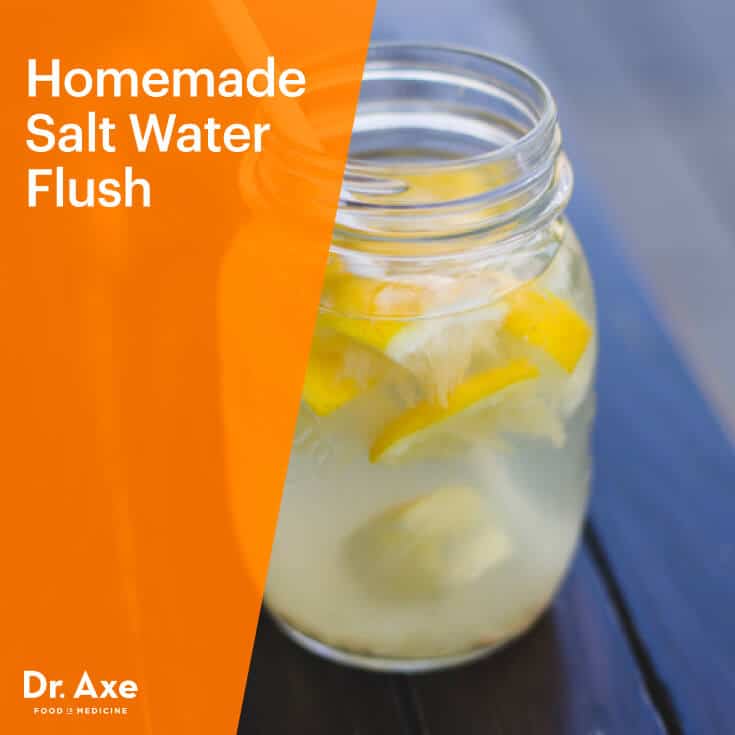
Grab a glass jar with a lid and add the salt, hot water, and some fresh lemon juice or lemon water (which helps cut the taste of the salt). Shake it vigorously to fully dissolve the salt. Make sure no granules are visible, which will settle at the bottom of your jar/lid if they’re still undissolved.
Drink the mixture quickly, within a few minutes if possible (under 5 minutes is the goal). Since it doesn’t taste great (it’s very salty!), you will probably want to drink it down as fast as you can.
Lay down on your side and massage your belly on one side, then repeat on the other side. If you can manage to hold in the solution for about 30 minutes, this will help your body fully absorb the salt.
Within a short time after finishing the mixture, you should start to feel the urge to go to the bathroom. Once you feel you can no longer hold out, go to the bathroom. You might have to go more than one time, sometimes needing to use the bathroom for several hours before you’re fully “cleansed” and your colon is emptied.
After doing a cleanse of any kind, it’s a good idea to take a probiotic supplement and load up on healthy foods, which helps establish healthy bacteria in your internal gut flora (microbiome) and provide you essential nutrients/electrolytes.

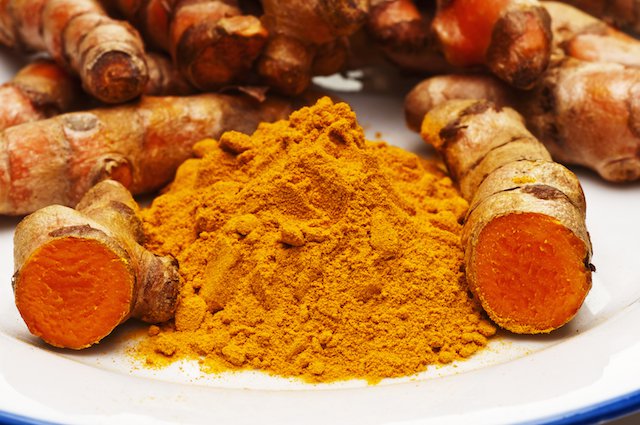
600 Reasons Turmeric May Be The World’s Most Important Herb

555,555READERS
By Sayer Ji • Originally published on Greenmed.info
There is a medicinal spice so timelessly interwoven with the origins of human culture and metabolism, so thoroughly supported by modern scientific inquiry, as to be unparalleled in its proven value to human health and well-being.
Indeed, turmeric turns the entire drug-based medical model on its head. Instead of causing far more side effects than therapeutic ones, as is the case for most patented pharmaceutical medications, turmeric possesses hundreds of potential side benefits, having been empirically demonstrated to positively modulate over 160 different physiological pathways in the mammalian body.
While no food or herb is right for everyone, and everything has the potential for unintended, adverse side effects, turmeric is truly unique in its exceptionally high margin of safety vis-à-vis the drugs it has been compared with, e.g. hydrocortisoneibuprofenchemotherapy agents. Furthermore, nothing within the modern-day pharmaceutical armamentarium comes even remotely close to turmeric’s 6,000 year track record of safe use in Ayurvedic medicine.
Despite its vast potential for alleviating human suffering, turmeric will likely never receive the FDA stamp of approval, due to its lack of exclusivity, patentability and therefore profitability. Truth be told, the FDA’s “gold standard” for proving the value of a prospective medicinal substance betrays the age old aphorism: “he who owns the gold makes the rules,” and unless an investor is willing to risk losing the 800+ million dollars that must be spent upfront, the FDA-required multi-phased double-blind, randomized clinical trials will not occur. For additional details on this rather seedy arrangement read my article on the topic: Why The Law Forbids The Medicinal Use of Natural Substances.
At GreenMedInfo.com, we have reviewed over 5,000 study abstracts from the National Library of Medicine’s bibliographic database known as MEDLINE and have discovered over 600 potential health benefits of turmeric, and/or its primary polyphenol known as curcumin. These can be viewed on our turmeric research page which is dedicated to disseminating the research on the topic to a larger audience.
Some of the most amazing demonstrated properties include:
Again, what is so amazing is not that turmeric may have value in dozens of health conditions simultaneously, or that it may improve conditions that are completely resistant to conventional treatment, but that there are over six hundred additional health conditions it may also be valuable in preventing and/or treating. Consider also the fact that turmeric grows freely on the Earth, and you will understand why its very existence threatens billions of dollars in pharmaceutical industry revenue.
Learn more about this research in the video below (keeping in mind that it is several years old and needing some updating), and please spread the information to others who may benefit from learning more on the topic.

From Ocean Robbins, Food Revolution Network CEO:

Many of our members have been asking how much curcumin to take, how to take it in a bioavailable form, and where to get curcumin from a source they can trust. The challenge with taking full advantage of the curcumin in turmeric is low bioavailability. Personally, I love mixing fresh and dried turmeric into all sorts of foods – and I always try to include black pepper with it, because studies show that piperine (found in black pepper) helps to increase absorbability. But now Quantum Wellness Botanical Institute has developed a curcumin supplement that includes a potent delivery enhancer (made using organic lecithin and organic turmeric oil) which they say has been found to increase bioavailability by 500%. Their supplement is 100% vegetarian, organic, soy free and non-GMO. Click here if you’d like to find out more.

Power to the Patients! (ep.4) Cannabis Cures BREAST Cancer!

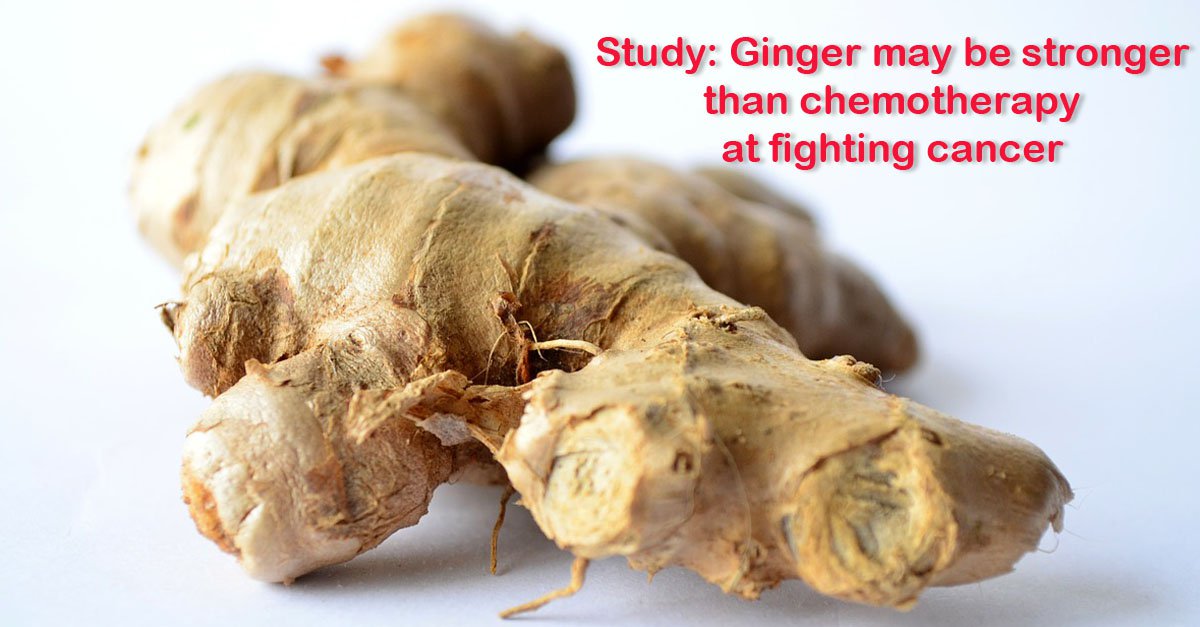
Ginger: 10,000x Stronger Than Chemo In Cancer Research Model

613,488READERS
Study: Ginger fights cancer
By Sayer Ji • Originally published on GreenMedInfo.com
A new study reveals ginger contains a pungent compound that could be up to 10,000 times more effective than conventional chemotherapy in targeting the cancer stem cells at the root of cancer malignancy.
A new study published in PLoS reveals a pungent component within ginger known as 6-shogaol is superior to conventional chemotherapy in targeting the root cause of breast cancer malignancy: namely, the breast cancer stem cells.
As we have discussed in greater detail in a previous article titled, “Cancer Stem Cells: The Key To Curing Cancer,” cancer stem cells are at the root of a wide range of cancers, not just breast cancer, and are sometimes referred to as “mother cells” because they are responsible for producing all the different “daughter” cell types that makeup the tumor colony. While cancer stem cells only constitute between .2 and 1% of the cells within any given tumor, they have the seeming “immortal” ability to self renew, are capable of continuous differentiation, are resistant to conventional chemotherapeutic agents, and are tumorigenic, i.e. are capable of “splitting off” to create new tumor colonies. Clearly, the cancer stem cells within a tumor must be destroyed if cancer treatment is to affect a lasting cure.
The new study titled, “6-Shogaol Inhibits Breast Cancer Cells and Stem Cell-Like Spheroids by Modulation of Notch Signaling Pathway and Induction of Autophagic Cell Death,” identified powerful anti-cancer stem cell activity in 6-shogaol, a pungent constituent of ginger produced when the root is either dried or cooked. The study also found that the cancer-destroying effects occurred at concentrations that were non-toxic to non-cancerous cells – a crucial difference from conventional cancer treatments that do not exhibit this kind of selective cytotoxicity and therefore can do great harm to the patient.
The authors of the study further affirm these points:
“Cancer stem cells pose serious obstacle to cancer therapy as they can be responsible for poor prognosis and tumour relapse. To add into the misery, very few chemotherapeutic compounds show promise to kill these cells. Several researchers have shown that cancer stem cells are resistant to paclitaxel, doxorubicin, 5-fluorouracil, and platinum drugs [8, 16]. CSCs are thus an almost unreachable population in tumours for chemotherapy. Therefore any compound, that shows promise towards cancer stem cells, is a highly desirable step towards cancer treatment and should be followed up for further development.”
The researchers identified a variety of ways by which 6-shagoal targets breast cancer:
  • It reduces the expression of CD44/CD24 cancer stem cell surface markers in breast cancer spheroids (3-dimensional cultures of cells modeling stem cell like cancer)
  • It significantly affects the cell cycle, resulting in increased cancer cell death
  • It induces programmed cell death primarily through the induction of autophagy, with apoptosis a secondary inducer
  • It inhibits breast cancer spheroid formation by altering Notch signaling pathway through γ-secretase inhibition.
  • It exhibits cytotoxicity (cell killing properties) against monolayer (1-dimensional cancer model) and spheroid cells (3-dimensional cancer model)
It was in evaluating the last mode of 6-shagoal’s chemotherapeutic activity and comparing it to the activity of the conventional chemotherapeutic agent taxol that the researchers discovered an astounding difference. Whereas taxol exhibited clear cytotoxicity in the one-dimensional (flat) monolayer experimental model, it had virtually no effect on the spheroid model, which is a more “real world” model reflecting the 3-dimensionality of tumors and their stem cell subpopulations. Amazingly, this held true even when the concentration of taxol was increased by four orders of magnitude:
“In contrast [to 6-shagoal], taxol, even though was highly active in monolayer cells, did not show activity against the spheroids even at 10000 fold higher concentration compared to 6-shogoal.”
This is a highly significant finding, as it affirms a common theme in cancer research that acknowledges the primarily role of cancer stem cells: namely, while conventional techniques like surgery, radiation, and chemotherapy are effective at reducing a tumor’s size, sometimes to the point where it is “debulked,” burned,” or “poisoned” out of the body even below the threshold of re-detection, the appearance of “winning the battle” often comes at a steep price, as ultimately the cancer stem cell population regrows the tumors, now with increased vengeance and metastastic invasiveness, resulting in the cancer “winning the war.”
The monolayer model, which does not account for the complex immunity of actual cancer stem-cell based tumors against chemoagents like taxol, represents the old preclinical model of testing cancer treatments. The spheroid model, on the other hand, clearly shows that even 10,000 times higher concentrations of taxol are not capable of beating this ginger component at selectively targeting the root cause of the tumor malignancy.
In their concluding remarks, the authors point out a hugely important distinction between natural anti-cancer agents and conventional ones that have only been introduced in the past half century or so, namely, “Dietary compounds are welcome options for human diseases due to their time-tested acceptability by human bodies.”  
Unlike modern synthetically produced and patented chemicals, ginger, curcumin, green tea, and hundreds of other compounds naturally found in the human diet, have been “time-tested” as acceptable to the human body in the largest and longest running “clinical trials” known: the tens of thousands of years of direct human experience, spanning thousands of different cultures from around the world, that constitute human prehistory. These experientially-based “trials” are validated not by RCTs, or a peer-reviewed publication process, but by the fact that we all made it through this incalculably vast span of time to be alive here today. Consider also that if our ancestors made the wrong dietary choice by simply mistaking an edible berry for a poisonous one, the consequences could be deadly. This places even greater emphasis on how the “time testing” of dietary compounds was not an academic but a life-death affair, and by implication, how the information contained within various cultural traditions as “recipes” passed down from generation to generation are “epigenetic inheritance systems” no less important to our health and optimal gene expression as the DNA in our own bodies.
Ultimately, this new study adds to a growing body of research indicating that cancer stem cell targeting approaches using natural substances present in the human diet for thousands of years are far superior chemotherapy and radiation, both of which actually increase the relative populations of cancer stem cells versus non-tumorigenic ones. For further reading on ginger’s anti-cancer properties, consult our Ginger Research database. Also, you can use our Cancer Research Health Guide for thousands of studies and articles about natural healing approaches for cancer.
Sayer Ji is an author and educator, a Board of Governor for the National Health Federation, Steering Committee Member of the Global GMO Free Coalition (GGFC), and founder of Greenmedinfo.com. Join their free newsletter here.Sayer Ji

14 Cancer Fighting Herbs

14 Cancer-Fighting Plants for Your Indoor Herb Garden

I love the spring and summer growing season. However, what I especially love about my herb garden is that I can enjoy it all year round. There is something very special about having fresh herbs and spices growing on the windowsill to snip for my pesto, salads, and smoothies. I derive great pleasure from watching them grow and smelling their fresh fragrance. If you have limited or no outdoor garden space, an indoor herb garden is the perfect solution for the hungry gardener.
I grow mint, basil, parsley, thyme, sage, rosemary, oregano, cilantro, nasturtium, Aloe Vera, ginger, turmeric, hot pepper, and cherry tomatoes. I love the freshness of freshly cut herbs and appreciate them for their numerous health benefits in an anti-cancer diet.

Benefits of an Indoor Herb Garden

Plants tend to lose their cancer-fighting benefits the longer they’re separated from their roots, so it’s ideal to pick herbs fresh and use them immediately in your cuisine.
Then there’s the emotional aspect. When you’re growing plants to use in your food, there is a special purpose and a completed cycle. There is also a connection to life that is personally fulfilling… the excitement when the seed produces its first leaves and then develops the flowers and finally the fruit. You just can’t wait to taste the fruit of your labor − literally.
Furthermore, the flavor of homegrown organic herbs is superior to supermarket produce so your meals have an added zing that is incomparable flavor and health-wise.

How to Plan & Grow Your Own Indoor Herb Garden

So, what do you need to get started?
  1. Make a plan of what you want to grow (see below for some plant suggestions).
  2. Choose a windowsill in a sunny location (south or southwest exposure for six consecutive hours in the day is best).
  3. Choose the types of pots you would like to use − hanging or windowsill ledge or both.
  4. You will also need to find an organic plant nursery, plant food, a table, newspaper, and a day or two to accomplish the task.
I go to the organic nursery and pick out the plants that I want to grow. I buy potting soil, compost, humus, organic plant food, pots or window boxes, plant hangers, and a misting bottle.

Putting Your Herb Garden Together

  1. After you get home with your purchases, gather some pebbles or small rocks to put in the base of the planters and hanging pots. Fill the bottom of each plantar/pot with a single layer of stones. This helps with drainage.
  2. Next, mix the soil in a bucket with one part each of compost, potting soil, and humus. (Note: You can also buy some potting soils that already combine all of these elements). Add the soil mixture to the planters, pots, and hanging pots you’ve selected.
  3. Water all the plants thoroughly, allow them to drain, and make a hole in the potting soil mixture for each plant.
  4. Place the plants in the planters and press firmly around the base of the plant and soil to set them in the planter.
  5. Wipe off the pots and planters and place them on the windowsill and/or install the triangular wall brackets for the hanging plants and put them on the hooks.

Ideas for What to Grow in Your Indoor Herb Garden

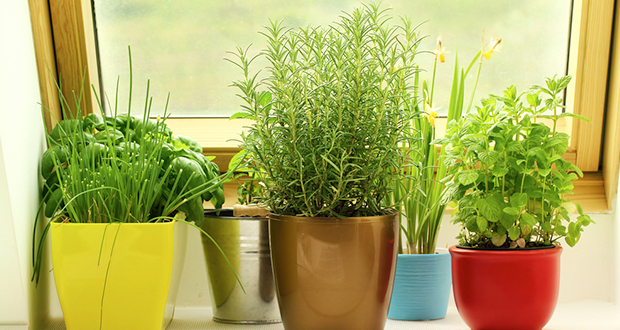
If you need a little inspiration, here is how I set up my own windowsill herb garden and why I choose these particular herbs and plants:
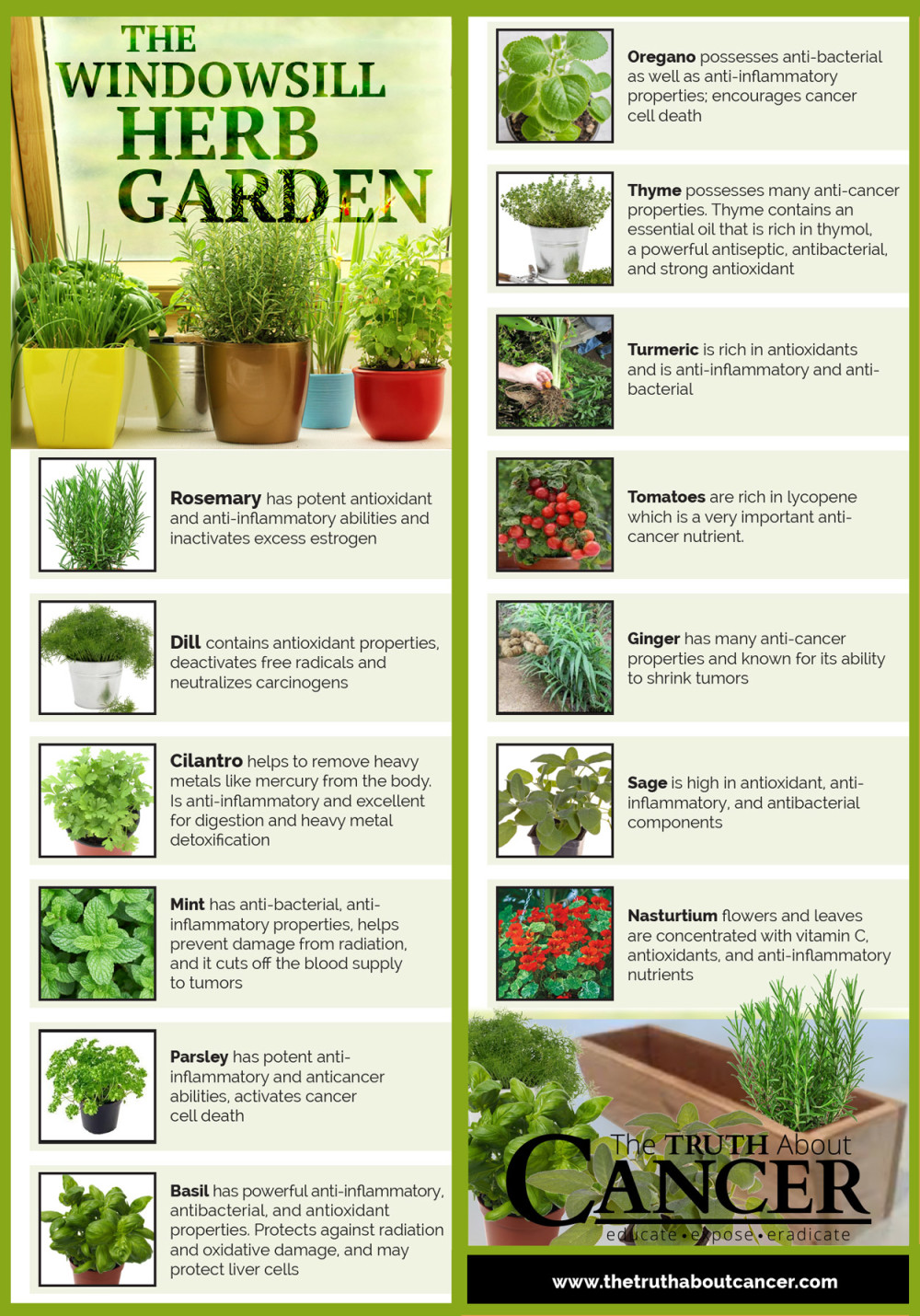
Mint is very easy to grow and goes well in a salad, smoothie, for garnishes, and many other culinary uses. It also adds a nice fragrance to the room and the flowers can be eaten for their trace minerals. There are several varieties available, but they all have similar flavors and health benefits.
Basil is important for pesto and complementing the spices in various dishes. It has anti-inflammatory, antioxidant, and tension soothing components. The aroma is very pleasant and relaxing as well.
Parsley is also nice in a window box so you might want to grow several plants and keep plenty on hand. It has many health benefits especially in salads and smoothies. Parsley is a great detoxifier and helps restore the alkaline balance in the body.
Oregano has many health benefits including immune boosting and cancer cell retarding properties. It will continue to grow all year long indoors so you can use it in many recipes. I like to give it a pot alone.
Thymesage, and rosemary are compatible in a box planter on the windowsill. Thyme is available in several varieties and is mostly used in salads, soups, and meat dishes. Sage is used in similar ways but is also good in tea for increasing brain function and its calming effects.
Rosemary is a nice herb for many uses in cooking, green smoothies, and aromatherapy. When you inhale the rosemary fragrance it clears your mind so it is easier to focus your thoughts.
Additionally, mint, sage, and rosemary are all high in antioxidant, anti-inflammatory, and antibacterial components.
Cilantro is excellent for digestion and heavy metal detoxification. It is anti-inflammatory, anti-spasmodic, an internal deodorizer, and is loaded with vitamins and minerals. It has a unique flavor that compliments many dishes including salad recipes, pesto, gazpacho, and guacamole. Its seeds (coriander) are very aromatic as well.
Nasturtium plants can be potted and hung from a hook made for hanging from the ceiling or wall triangle. They are beautiful flowers that come in several colors. Both the flower and leaves are edible with a spicy peppery taste that adds variety, trace minerals, and beauty to many dishes.
Nasturtium can be grown from seed or plants but you must be very careful in transferring the plants to a pot as the roots are very tender. A rich soil will produce more leaves and a poor soil produces more flowers. The flowers and leaves are concentrated with vitamin C, antioxidants, and anti-inflammatory nutrients. Nasturtium also heals infections of the throat and intestines while increasing blood circulation.
Aloe Vera is a plant that grows best in a pot on the windowsill or a plant stand near the window. This is because the spiky leaves can spread which may be too wide for the windowsill. Aloe Vera is a very important plant used for healing the skin from burns, blemishes, and scars. The inner gel is excellent to add to your smoothies (the flavor is unnoticeable) and it heals your internal tissues.
This is great if you have some damage from radiation therapy or chemo-induced tissue damage. So you want to plant more than one to be growing abundantly for daily or weekly use. Aloe is also very easy to grow and it will reproduce itself without any intervention.
Ginger (local ginger from a quality organic shop) can be placed in a glass with a toothpick going through the upper center. It should be balanced on the glass so the ginger is stable and the base is in the water to produce roots. Once the root hairs have formed the ginger can be put into the soil in a pot to develop its leaves and become a plant. After several months you can harvest some of the root while allowing the plant to continue growing.
Turmeric is cultivated in much the same way as ginger. It can also be placed directly in a pot of soil and watered regularly until the green shoots come up. Turmeric is an important anti-cancer spice and is a liver and blood purifier. It is rich in antioxidants, is anti-inflammatory, and anti-bacterial, and compliments almost everything − so it’s good to have plenty on hand.
Cherry tomatoes are nice to grow and pick fresh for your salads, casseroles, or just to snack on. They should be grown in a pot with a stick in the center to give the bush support when the tomatoes begin to develop. The pot can go on the windowsill, but a plant stand is also good depending on the depth of your windowsill. These small tomatoes are rich in lycopene which is a very important anti-cancer nutrient.

Make Fresh Herbs Part of Your Anti-Cancer Diet

This exercise should be fun for you and your family to do together. It will be very rewarding when you are able to pick the herbs and tomatoes and flowers and use them in your food. If you do have outdoor space for a garden, you can follow many of these same steps. Although herbs aren’t hardy in cold temperatures, plants can be brought indoors and overwintered in your sunniest window − for your year-round enjoyment.
It may look a little intimidating, but once you get started you will find it’s not as difficult as it sounds. If you feel overwhelmed, it may help to invite some gardening friends to do it with you. I like to have planting parties where several of my gardening friends get together on a morning or afternoon. We have tea and snacks while we get our hands dirty and generally make a mess.
However, we have a lot of fun getting excited about labeling the plants, making the pots, and putting the seedlings or baby plants in their pots. We move along watering and placing them on the windowsills, and hanging them from the wall or ceiling. It is well worth the time spent when you see the plants growing and you smell the fresh herbs.
You can delight in knowing you can clip them and mix them up for your recipes and teas. Drying them at the end of the growing season is also a great way to incorporate more herbs into your diet.
After you consume the fruits you should save the seeds for future planting. Some gardeners have seeds that have been handed down from generation to generation. These seeds are referred to as heirloom seeds. Then there are those special plants that you want to preserve and grow again because the fruit was especially good.
Always choose non-GMO seeds that have a high germination rate. Keep it as simple as possible at first and plant the seeds for plants that you know you will use on a regular basis. I have listed some suggestions but you should go for the ones that are the most useful (and delicious) to you. The plants will re-oxygenate your air and most will remove toxins from your indoor environment. Although plants serve more than one purpose… eating them is the most fun!
Windowshill-Herb-Garden-article