4 ways to avoid liver disease


 (NaturalHealth365) Non-alcoholic fatty liver disease, or NAFLD, is now endemic in the United States, with the National Institutes of Health reporting that over 90 million Americans are currently affected.
In severe cases, NAFLD – which accounts for over 75 percent of all liver disease – can progress to life-threatening complications, including liver failure and cirrhosis. In fact, some researchers fear that the condition is poised to become the next global epidemic.
Now, for some good news – in many cases, NAFLD is preventable. Keep reading to learn about four simple steps you can take to avoid liver disease – and keep this vital organ functioning at top capacity.
Inactivity and poor nutrition create a virtual recipe for liver disease
The liver’s function is to metabolize nutrients and fats while regulating sugar in the blood – and to detoxify the body by eliminating toxins. This hard-working organ also serves as a storehouse for vitamins and minerals.
Excessive blood sugar is stored in the liver as well, in the form of fat – and this is where liver problems can begin. Although fatty liver disease used to be associated with excessive alcohol use, the “non-alcoholic” form of the disease is now striking non-drinkers and people with no history of alcohol abuse.
Researchers believe that this newer – but still-dangerous – form of liver disease is caused by excessive caloric intake, along with sedentary lifestyle and a diet high in processed foods, sugar and fat. In fact, NAFLD is most often found in people in their 40s and 50s who suffer from obesity or diabetes.
The following four steps can help you support your liver – and your overall health — while possibly preventing and even reversing NAFLD.
Reduce liver inflammation with an organic diet
Eating an organic diet can help you reduce your exposure to liver-damaging pesticides, particularly glyphosate. Glyphosate, found in the weedkiller Roundup, is linked with serious liver disease.
Animal studies have shown that even exposure to very small quantities of glyphosate – such as the amount found in drinking water – can cause liver scarring, dead tissue, disturbances in fat metabolism and damage to cell mitochondria.
Glyphosate is used on many commercial crops, including soy, corn and canola. It is also found in breakfast cereals and in wine, and (believe it or not) is detected within many vaccines. To dramatically reduce your exposure, opt for foods that are certified USDA Organic and drink spring water from a trusted source. (whenever possible)
You can also protect your liver by consuming a diet high in anti-inflammatory foods – such as organic berries, sardines and nuts – and low in refined sugar, a proven inflammatory agent.
Seek out liver-friendly nutrients and supplements
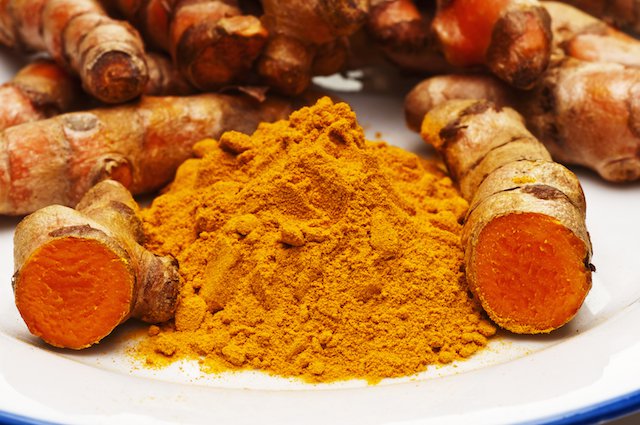
Many common foods and spices that are probably already in your refrigerator or pantry can serve as valuable allies for liver health. For instance, researchers have found that curcumin from turmeric has the ability to fight damaging free radicals, while suppressing the inflammatory enzyme COX-2.
Beet juice is winning rave reviews from researchers for its high content of betaine – an amino acid that helps the liver get rid of toxins. Beet juice is also high in betacyanins – natural plant pigments that work to reduce oxidative damage in the liver.
Green tea is also rich in antioxidant polyphenols, and functions as a natural diuretic that can help flush toxins from the liver.
Berries and dark cherries are a great source of anthocyanins – natural pigments with proven anti-inflammatory and antioxidant capabilities.
And don’t forget the cruciferous vegetables, such as Brussels sprouts, kale and broccoli. These beneficial veggies are high in isothiocyanates – which are clinically proven to help the liver detoxify itself.
It is probably a wise choice to supplement with alpha lipoic acid, (ALA) which is impressing researchers with its ability to fight and even reverse NAFLD. This nutrient has been shown to in recent studies to increase the antioxidant capacity of the liver and help to neutralize toxins.
ALA can be taken along with selenium and silymarin for a triple dose of liver-healing benefits. Before supplementing, get the go-ahead from a trusted medical professional.
Avoid toxic chemicals
Eliminate or reduce your exposure to environmental toxins – including those in household cleaning chemicals, beauty products and plastic ware.
Plastic containers have been found to contain dangerous amounts of BPAs, or bisphenol A. Storing food in glass containers is a better choice.
Opt for safe and environmentally friendly cleaning formulas, such as vinegar and baking soda, and seek out beauty products that are free of toxic heavy metals. For example, many commercial deodorants contain aluminum, while fluoride lurks in toothpaste.
Obviously, it is impossible to avoid exposure to all toxins. But, it is entirely do-able to dramatically cut your exposure level – and give your liver an assist by reducing its toxic burden.
Get moving – towards a healthier liver
Researchers believe that the rise of NAFLD is linked with the rise of obesity. Exercise – which helps to maintain healthy weight – is a powerful weapon against liver disease.
A 2011 study from the University of Louisville demonstrated that maintaining healthy body weight through a combination of healthy diet and physical activity offers more benefits to the liver than simply maintaining weight through diet alone.
Experts recommend a combination of aerobic exercise – such as walking, dancing, running and swimming – and weight-bearing exercises, such as weight training, as ideal for liver function.
The Department of Health and Human Services advises at least 30 minutes a day, five days a week, of moderate aerobic activity. If you already have liver disease, or if you’ve been inactive for a while, consult with your doctor for a routing that’s right for you.
It’s OK to start slowly – but, start. Your liver will thank you.